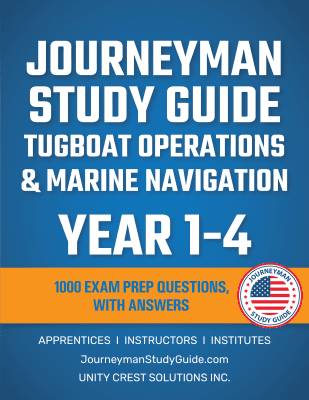
Questions, Answers, & Explanations
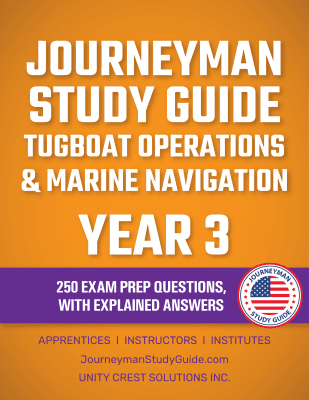
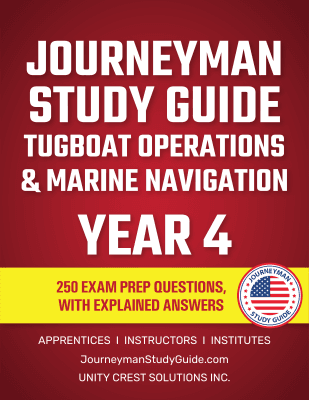
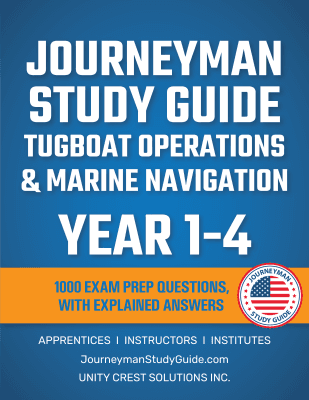
Get clear explanations behind every answer, perfect for deeper learning and more thorough exam preparation.
Tugboat Operators and Marine Navigators are essential workers in the maritime industry. These skilled professionals help guide, move, and support larger vessels in tight waterways, busy ports, and along coastal or inland routes. Tugboats might look small, but they’re powerful machines that keep marine traffic moving safely and efficiently. From assisting container ships into ports to guiding barges down inland rivers, tugboat operators play a vital role in the U.S. transportation and logistics system.
A Tugboat Operator typically works on vessels that push or pull ships and barges. These tugboats operate in harbors, rivers, lakes, and even offshore waters. Operators must know how to control the boat with precision, especially in narrow or crowded areas. They also need to understand tides, currents, and wind patterns. Whether they’re towing a disabled ship or pushing a fuel barge upriver, the job demands sharp focus, fast decision-making, and teamwork.
Marine Navigation is closely linked with tugboat operations. Navigators plan safe travel routes for vessels using charts, GPS, radar, sonar, and communication systems. In a tugboat setting, the operator often serves as the lead navigator. They are responsible for plotting courses, adjusting for weather, and ensuring the tug and any connected vessels stay on course. They also keep in close contact with port authorities, bridge operators, and other ships to avoid collisions and delays.
Working on a tugboat is both challenging and rewarding. Shifts are usually long—sometimes 12 hours or more—and schedules often involve days or weeks at sea followed by time off. Tugboat crews live and work aboard the vessel, often in tight quarters, which means being a good team player is essential. Crews typically include a captain (or pilot), a deckhand, and sometimes an engineer. Each member has specific duties, from steering the tug to maintaining the engines and securing tow lines.
This trade requires a mix of practical skills and certifications. Most tugboat operators start as deckhands and work their way up through experience and U.S. Coast Guard licenses. Training includes learning how to tie knots, handle ropes and winches, communicate with radio systems, and respond to emergencies. Marine Navigation training covers reading charts, interpreting marine weather, and operating radar and GPS systems.
Tugboat operators often work for private tug companies, port authorities, or shipping firms. Others are employed in sectors like oil and gas, construction, or military support. Demand for tugboat professionals is steady, especially in large ports like New York, Los Angeles, Houston, and New Orleans. Inland waterways like the Mississippi River system also provide employment opportunities for inland tug operations.
Safety is a top priority in this line of work. Operators must wear safety gear, follow maritime regulations, and stay alert to avoid accidents. Weather can change quickly at sea, and working around large vessels or heavy equipment requires constant awareness. The U.S. Coast Guard sets strict standards for training and vessel operations to help protect workers and the environment.
If you enjoy working outdoors, handling machines, and being on the water, this trade could be a great fit. It offers a hands-on career with solid pay, strong demand, and the chance to work in a tight-knit team. Tugboat Operations & Marine Navigation is more than just a job—it’s a lifestyle built on responsibility, precision, and pride.
For those considering this career, it’s important to be physically fit, comfortable with travel, and ready for a unique work schedule. With the right training and experience, many tugboat workers go on to become captains, port supervisors, or marine logistics experts. Whether on the coast or inland, America’s tugboat crews keep the country’s commerce afloat—one tow at a time.
Exam Details – Tugboat Operations & Marine Navigation
If you’re planning to start a career in tugboat operations or marine navigation in the United States, you’ll need to pass certain exams and meet licensing requirements set by the U.S. Coast Guard (USCG). The process is designed to ensure that all tugboat operators and navigators are well-trained, safe, and fully prepared to work in challenging marine environments. These exams are not only about steering a boat—they cover navigation, communication, safety, rules of the water, and emergency procedures.
The most common exam you’ll take is for a Merchant Mariner Credential (MMC), often starting at the Operator of Uninspected Towing Vessels (OUTV) or Master of Towing Vessels level. The specific license you apply for depends on your experience and the waters you’ll be operating in—whether it’s inland rivers, near coastal waters, or oceans.
What Is the Tugboat License Exam Like?
The tugboat exam includes both written tests and practical assessments. The written portion is usually taken at a U.S. Coast Guard Regional Exam Center (REC), while the practical tasks are completed during your training and sea service. Here’s what you can expect on the exam:
Core Topics in the Written Exam:
You’ll also need to pass exams related to rules of the road, deck general knowledge, and safety protocols.
Time and Format
The test is broken into separate modules. Each module typically contains 20 to 50 multiple-choice questions. A passing score is usually 70% or higher, although some parts—like Rules of the Road—require at least 90%. The overall exam can take several hours to complete, and you’ll have the option to re-test individual modules if needed.
Sea Time Requirements
Before you can take the exam, you’ll need documented sea service time. For example:
Training and Preparation
Many candidates attend approved maritime schools or training academies to prepare for the exam. These programs help you meet the Coast Guard’s standards and may include simulator practice, hands-on tugboat training, and classroom instruction. Some schools also provide exam prep courses specifically focused on COLREGS, chart plotting, and deck operations.
It’s also a good idea to study with practice questions and mock tests. Our digital study tools—Question & Answer, Q&A with Explanation, and Online Test simulations—can help you practice under real test conditions. The Q&A products give you clear, multiple-choice questions, and the Explanation versions offer quick insights into why an answer is correct, making your learning faster and easier.
Final Steps and Licensing
Once you pass your exams and meet all requirements, you’ll be issued your MMC with the towing vessel endorsement. This license must be renewed every five years, and you’ll need to maintain valid medical certificates and stay current on training, including drug testing and safety refreshers.
In short, the exam for tugboat operations and marine navigation is an important step in proving that you’re ready for the water. It might seem tough at first, but with the right tools, training, and experience, you can pass it and move forward in a career that’s steady, respected, and vital to America’s economy.
Preparing for the tugboat operations and marine navigation exam means understanding the types of questions you will be asked. These questions are created by the U.S. Coast Guard (USCG) to test your knowledge of tugboat handling, navigation, safety, rules of the road, communication, and emergency procedures. The exam is a key step to earning your Merchant Mariner Credential (MMC) and becoming a licensed tugboat operator.
The test includes multiple sections, each focusing on different skills. Most questions are multiple choice, and they come from a large question bank. You may be tested on chart plotting, towing operations, marine weather, and other important subjects. Each section must be passed individually. In some cases, you need a 70% score to pass, but for topics like "Rules of the Road," the passing score is 90%.
Common Topics Covered in the Exam Questions
Here are the main subjects you’ll see in your tugboat operations exam:
1. Rules of the Road (Navigation Rules / COLREGS)
You’ll be tested on who has the right of way, light signals, horn signals, and what to do in crossing, overtaking, or head-on situations.
Example Question:
When two power-driven vessels are crossing and there is a risk of collision, which vessel must keep out of the way?
A. The vessel on the starboard side
B. The vessel on the port side
C. The larger vessel
D. The faster vessel
Correct Answer: B
2. Chart Plotting and Navigation
These questions test your ability to read nautical charts, plot a course, and calculate position using bearings and distances.
Example Question:
What instrument is used to measure the distance on a nautical chart?
A. Compass
B. Sextant
C. Parallel ruler
D. Dividers
Correct Answer: D
3. Deck General
This section includes questions about equipment, maintenance, knots, mooring, anchoring, and line handling.
Example Question:
What knot is commonly used to secure a line to a cleat?
A. Bowline
B. Square knot
C. Cleat hitch
D. Clove hitch
Correct Answer: C
4. Towing Operations
Questions in this section focus on procedures for towing barges and ships safely. Topics include towlines, bridle rigs, winches, and towing signals.
Example Question:
What is the primary danger of towing with a long towline in shallow water?
A. Reduced visibility
B. Tangled line
C. Line may snag on bottom
D. Slower speed
Correct Answer: C
5. Marine Weather and Environmental Awareness
You’ll need to recognize different types of weather patterns, how they affect navigation, and what actions to take in bad weather.
Example Question:
A sudden drop in barometric pressure usually means:
A. Calm weather
B. Rain is ending
C. Improving visibility
D. Approaching storm
Correct Answer: D
6. Marine Communications
This area covers VHF radio use, distress signals, and standard radio calls.
Example Question:
What channel is used for distress calls on a VHF marine radio?
A. Channel 9
B. Channel 13
C. Channel 16
D. Channel 21
Correct Answer: C
7. Emergency Procedures and First Aid
These questions test your knowledge of man-overboard procedures, firefighting, abandoning ship, and basic first aid.
Example Question:
What is the first step if someone falls overboard?
A. Jump in after them
B. Throw a lifebuoy and alert the crew
C. Sound the general alarm
D. Call the Coast Guard
Correct Answer: B
How to Study
To prepare, use study guides, flashcards, and real-world practice. Start with our Question & Answer product to test your basic knowledge. Then move on to our Q&A with Explanation product to understand the reasons behind the correct answers. Finally, try our Online Test to simulate the real testing environment. These tools are designed to help you become familiar with the types of questions you'll face on exam day.
Studying sample questions will help build your confidence and improve your chances of passing on your first attempt. The more practice you get, the better you’ll perform. Focus on one section at a time, and don’t skip any subjects—even one failed module can delay your license.
Passing the tugboat operations and marine navigation exam is a big step toward a rewarding career. Use every question as a chance to learn and prepare for life on the water.
Working in tugboat operations and marine navigation is not a typical 9-to-5 job. It’s a hands-on, active career that takes place on the water, often in challenging weather and busy ports. Whether you’re working on a river, in a harbor, or offshore, your day revolves around teamwork, safety, and staying alert. For those who love boats and being outdoors, it’s a job full of purpose and variety.
A day on a tugboat usually starts early. Most tugboat crews work in shifts, often called “watches,” that can last 6 to 12 hours. Some operators work on a schedule of 7 days on, 7 days off, while others might work 14 days or more at sea before heading home. Many crews live onboard the tug for the entire shift. That means sharing meals, bunks, and downtime with your crew. You need to be a team player to enjoy this lifestyle.
Start of the Day
The day begins with a safety meeting. The captain or senior crew member will go over the day’s tasks, check the weather forecast, and make sure everyone understands the plan. The tug might be assisting a large cargo ship, moving a barge, or positioning an oil platform support. Every job is different, and every day brings new challenges.
Operating the Tug
Once the job starts, the tugboat operator takes the wheel and begins navigating. If you're working in a harbor, you’ll use precise movements to push or pull large vessels into docks. You’ll need to coordinate with the ship’s pilot, use radio communication, and understand how tides and wind affect the movement of huge ships. On rivers, tugs push barges up and down channels, avoiding sandbars, bridges, and other vessels. Offshore, you might be guiding tankers or supporting construction projects.
The wheelhouse, where the operator works, is filled with navigation tools like GPS, radar, sonar, and radios. The operator must stay focused, make constant adjustments, and talk with the crew and other ships to keep everything safe.
Deck and Engine Work
Not everyone on a tugboat is driving. Deckhands have important roles too. They handle heavy ropes and cables, attach tow lines, operate winches, and make sure the deck is clean and safe. This job is physical and requires strength, awareness, and skill. You’ll learn how to tie marine knots, throw lines, and manage mooring operations.
The engineer (if assigned) checks the engines, performs routine maintenance, and ensures all mechanical systems are working correctly. If the tug has no dedicated engineer, other crew members take turns checking engine performance, oil levels, and fuel supply.
Breaks and Meals
During slow periods or between jobs, the crew eats together in the galley. Meals are often cooked onboard, and everyone pitches in to keep the living area clean. Because you’re away from home, good food and rest are important. In your off-hours, you might read, watch TV, or sleep in your bunk.
End of the Day
At the end of the day—or the end of your shift—the crew reviews the job, logs any important notes, and prepares the tug for the next task. Tugs often operate 24/7, so another shift may take over right away. Others return to port and dock for the night.
What to Expect
If you enjoy being active, solving problems, and being part of a close team, a day in the life of a tugboat operator can be deeply rewarding. It’s not always easy, but it’s never boring. Tugboats play a big role in keeping America’s ports, rivers, and coasts moving—and every day you’re out there, you’re part of something important.
Starting a career in Tugboat Operations and Marine Navigation can lead to steady, well-paying work with opportunities to grow over time. This is a respected trade in the United States, especially in busy ports, along rivers, and near coastal areas. Whether you're helping guide massive container ships into harbor or moving fuel barges through inland waterways, this career path offers a strong future for those who are willing to learn and work hard.
Getting Started
Most people begin their tugboat career as a deckhand. This entry-level position involves handling ropes, cleaning the deck, assisting with navigation, and helping tie up or release towed vessels. You don’t need a college degree to start, but you will need a Transportation Worker Identification Credential (TWIC) from the TSA and a basic Merchant Mariner Credential (MMC) issued by the U.S. Coast Guard. Some employers will provide on-the-job training, while others may prefer you complete an approved maritime training program.
Once you’re hired, you’ll start building sea time, which is required to move up in the trade. Every day you work on the water counts toward the experience needed to get more advanced licenses.
Advancing in the Trade
After working as a deckhand and gaining experience, you can begin training to become a Mate or Engineer. Mates help with navigation and vessel operations, while Engineers focus on maintaining and repairing engines and equipment. Both positions require additional certifications and training.
The next major step is to become a Tugboat Captain or Master of Towing Vessels. This role comes with much more responsibility, including handling the tugboat, making navigation decisions, and ensuring crew and cargo safety. To qualify for this role, you’ll need to:
Once you earn your Master of Towing Vessels license, you can command your own tugboat and lead a crew.
Specialized Roles
As you gain experience, you can specialize in certain types of tug operations. For example:
Each type of operation requires different skills and knowledge, and may have unique licensing or endorsement requirements.
Long-Term Opportunities
With time, tugboat professionals can move into supervisory or management roles. Some become Port Captains, overseeing multiple vessels and crews. Others work for government agencies like the U.S. Army Corps of Engineers or the Coast Guard. You might even move into marine logistics, port operations, or maritime training and education.
If you're entrepreneurial, you may choose to start your own small towing business, especially in areas with local ports, construction, or environmental cleanup needs.
Job Outlook
Tugboat operators and marine navigators are in steady demand. The U.S. has over 360 commercial ports and thousands of miles of navigable rivers and coastlines. As long as goods move by water—and they always will—tugboats will be needed. Major job markets include Texas, Louisiana, California, Florida, and the Great Lakes region.
Conclusion
The career path for tugboat operations and marine navigation is a clear ladder—from deckhand to captain—with plenty of opportunity to grow. You’ll gain valuable skills, earn respected credentials, and be part of a trade that keeps American commerce moving. If you like hands-on work, the open water, and a strong team environment, this could be the career for you. With training, time, and commitment, you can build a successful future on the water.
If you are considering a career in tugboat operations or marine navigation in the United States, it’s important to understand what kind of wages you can expect. This field offers steady employment with good pay, especially as you gain more experience and certifications. From entry-level deckhands to experienced tugboat captains and marine engineers, salaries in this industry can range widely depending on your role, location, and level of responsibility.
Entry-Level Pay
Most people begin their tugboat career as a deckhand. This is an entry-level job where you’ll assist with lines, cleaning, general maintenance, and deck operations. A new deckhand can expect to earn around $35,000 to $45,000 per year depending on the company, job location, and number of days worked.
Deckhands working in busy ports or offshore locations may earn daily rates ranging from $150 to $250 per day, with some experienced Able Seamen earning over $300 per day. Many deckhands work long shifts and can be onboard for weeks at a time, which increases their total earnings due to overtime and longer sea duty.
Mid-Level Wages
After gaining experience and certifications, you can move up to a position like mate or engineer. These roles come with more responsibility, including assisting with navigation, operating towing equipment, or maintaining engines and mechanical systems.
If you work on offshore tugboats or long-haul barge operations, you may earn more due to extended time at sea and more complex duties.
Tugboat Captain Salary
One of the highest-paying roles in tugboat operations is the tugboat captain or Master of Towing Vessels. These professionals are in charge of the vessel, the crew, and the overall mission. Captains are responsible for navigation, safety, communication, and ensuring everything runs smoothly.
Salaries for captains vary based on region, employer, and the types of vessels they operate. Captains with more endorsements and years of sea time often command the highest pay.
Factors That Affect Wages
Several factors impact wages in tugboat operations and marine navigation:
Overtime and Bonuses
Tugboat crews often receive overtime pay for hours worked beyond the standard shift. Many operators also provide bonuses for extended service, holiday duty, or completing difficult towing jobs. These extras can add several thousand dollars a year to your base salary.
Final Thoughts
Tugboat operations and marine navigation offer a solid career with good pay, especially for those willing to invest time in training and certification. While the job can be physically demanding and time-consuming, the reward is a stable income, room for growth, and the satisfaction of working in a key part of America’s marine industry. Whether you're starting as a deckhand or aiming to become a licensed tugboat captain, the wages in this trade make it a strong career choice.
To work safely and effectively in tugboat operations and marine navigation, you need the right tools and access to important resources. Whether you're just starting out as a deckhand or preparing to become a licensed tugboat captain, understanding the tools of the trade is essential. This job relies on both physical equipment and digital technology, and success comes from knowing how to use both properly.
Common Tools on a Tugboat
Tugboats are powerful vessels designed to push, pull, and guide larger ships. Every crew member—from the deckhand to the captain—relies on a range of tools to complete daily tasks.
1. Towing Equipment
Knowing how to safely attach, release, and store these tools is part of every tugboat worker’s training.
2. Navigation Tools
Tugboat operators and navigators use a combination of old and new tools to move safely in the water.
3. Communication Tools
Clear communication keeps everyone safe on the water.
4. Safety Equipment
Tugboats carry essential safety tools to protect the crew.
5. Deckhand Tools
Deckhands often use hand tools daily, such as:
Learning Resources and Training Materials
In addition to hands-on tools, tugboat workers and marine navigators must rely on manuals, courses, and study guides to stay informed and pass required exams.
1. U.S. Coast Guard Resources
The U.S. Coast Guard provides official documents, navigation rules, exam guides, and safety regulations. These are essential when preparing for licensing exams.
2. Maritime Training Schools
Schools offer hands-on classes in:
Many schools also offer simulator training to practice real-world scenarios.
3. Study Guides and Practice Exams
Preparing for the Merchant Mariner Credential (MMC) exams requires practice. We offer three digital study tools to help you prepare:
These resources are perfect for studying at your own pace and making sure you're ready for test day.
4. Professional Organizations
Groups like the American Waterways Operators (AWO) and Towing Vessel Inspection Bureau (TVIB) offer updates, certifications, and safety news for industry professionals.
Conclusion
Tugboat operations and marine navigation require more than just muscle and steering skills. You’ll need to understand complex tools, communicate clearly, and stay trained in the latest safety methods. From heavy-duty towlines to high-tech navigation systems, having the right tools—and knowing how to use them—keeps every job safe and successful. With the help of proper training and study resources, you’ll be prepared for a strong and rewarding career on the water.
Starting a career in tugboat operations and marine navigation in the United States does not require a traditional college degree, but it does require proper training, hands-on experience, and certification. Whether you're aiming to become a deckhand, marine navigator, or tugboat captain, the right education and training programs can help you build the skills needed to succeed in this demanding field.
Starting with Basic Credentials
Before joining a tugboat crew, you must get two key credentials:
To get these, you don’t need to attend a college, but you will need to pass a medical exam, background check, and drug screening. Once you have these, you can apply for jobs or enter training programs.
Maritime Training Schools
Many people begin their journey at maritime training schools. These schools offer hands-on instruction and classroom learning in areas like navigation, towing, safety, and marine communication. Some well-known maritime training centers in the U.S. include:
These schools help students prepare for Coast Guard licensing exams and may include training on simulators, which offer a safe way to practice towing operations and emergency responses.
Programs can range from one-week courses to multi-month certificate programs. You can choose courses that match your level—entry-level, mid-level (mate), or advanced (captain or engineer).
U.S. Merchant Marine Academies
For those who want a more advanced education, some students attend U.S. maritime academies such as:
These academies offer four-year degrees in marine transportation or marine engineering and include sea training on real vessels. Graduates often become officers, marine engineers, or port managers.
While a college degree is not required for tugboat jobs, academy training can fast-track your path to higher positions and give you more career options.
On-the-Job Training
Many tugboat workers learn through on-the-job training. After getting your MMC and TWIC, you can apply for work as a deckhand or ordinary seaman (OS). Once hired, you’ll work under experienced crew members and learn skills such as:
As you gain sea time, you’ll qualify to take exams for higher-level roles like Able Seaman (AB), Mate, or Master of Towing Vessels.
Exam Prep Resources
To pass licensing exams, it’s helpful to study using real questions. We offer digital study tools that are easy to use:
These tools are perfect for self-study and can be accessed anytime, anywhere.
Continued Education and Safety Training
The maritime industry requires you to stay updated. Every few years, you’ll need to complete refresher courses in:
Courses like STCW Basic Safety Training (Standards of Training, Certification, and Watchkeeping) are often required for offshore work.
Final Thoughts
There are many paths to a career in tugboat operations and marine navigation. Whether you choose to start as a deckhand and learn on the job or attend a maritime school or academy, education and hands-on training are the keys to success. With dedication and the right programs, you can build a long-term, rewarding career on the water in this exciting and essential trade.
In the tugboat operations and marine navigation industry, unions and employers play a big role in shaping career opportunities, wages, job security, and working conditions. Whether you're just starting out or have years of experience, it’s important to understand the role of unions and the types of companies that hire tugboat workers in the United States.
Major Unions for Tugboat Workers
Several unions represent tugboat crew members in the U.S. These unions work to protect workers’ rights, negotiate fair wages, and ensure safe working environments. Joining a union can offer you benefits like health insurance, retirement plans, and job support.
1. Seafarers International Union (SIU)
The SIU is one of the largest maritime unions in the U.S. It represents tugboat workers, deckhands, engineers, and officers. Members receive training through SIU-affiliated schools and have access to jobs through union hiring halls.
Benefits include:
2. International Organization of Masters, Mates & Pilots (MM&P)
This union represents licensed officers, including mates and tugboat captains. MM&P supports career advancement and offers contract protections for those in supervisory and navigation roles.
Key advantages:
3. Marine Engineers’ Beneficial Association (MEBA)
MEBA represents marine engineers, including those working on tugboats. If you're responsible for engine maintenance or repair, this union may represent your role.
Major Employers in Tugboat Operations
Tugboat operators work in many parts of the country, from coastal cities to inland river systems. Employers include private towing companies, oil and gas service providers, and public agencies.
1. Private Tugboat Companies
Many tugboat jobs are with companies that provide harbor assist and towing services. These companies operate in busy ports and rivers to help move large ships and barges.
Examples include:
These companies often offer long-term careers with structured advancement paths, from deckhand to captain.
2. Oil and Gas Industry
Tugboats are used to move oil barges and support offshore drilling platforms. Companies like Hornbeck Offshore Services and Harvey Gulf International hire marine crews for work in the Gulf of Mexico and other offshore locations.
These jobs can pay well due to longer hitches and remote working conditions, but they also require special safety training and offshore experience.
3. Port Authorities and Government Agencies
Some tugboat jobs are available through public employers like:
These jobs often offer more consistent schedules and government benefits. They may also require passing federal background checks and meeting public service qualifications.
How Unions and Employers Work Together
Many tugboat companies work closely with unions to maintain fair labor agreements. These agreements cover:
Union membership is not required for every job, but in many cases, being part of a union gives you access to more secure and higher-paying positions.
Finding a Job
Union hiring halls are a popular way to find tugboat work. These halls post job openings, and members are placed in jobs based on experience and availability. Some maritime schools and training programs also have job placement services that connect graduates with employers.
Online job boards like MaritimeJobs.com, RigZone, and company career pages are also useful when applying for positions.
Final Thoughts
Unions and employers are both important to your career in tugboat operations and marine navigation. Joining a union can give you job security, benefits, and a voice at the table, while working with a reputable employer provides the day-to-day experience you need to grow. Whether you're working in a harbor, on a river, or offshore, understanding your options can help you build a stable and rewarding career on the water.
Tugboat operations and marine navigation are essential to keeping America’s ports, rivers, and coastal waters running smoothly. This trade may not always be in the spotlight, but it plays a vital role in the country’s transportation, shipping, and energy industries. Tugboats guide massive cargo ships, tow loaded barges, and provide support for offshore operations. If you’re looking for a steady and hands-on career, this trade offers long-term opportunities and the chance to work as part of a skilled crew.
A Hidden Backbone of U.S. Shipping
Every day, thousands of ships enter and leave U.S. ports, and most of them rely on tugboats for safe passage. Tugboat operators work in nearly every major harbor—from Los Angeles and Houston to New York and Miami. Inland rivers like the Mississippi, Ohio, and Columbia also depend on tugboats to move goods, fuel, and equipment to cities and factories across the country.
Without tugboats, many large vessels couldn’t dock, turn around, or move through narrow channels. Tug operators use powerful engines, advanced navigation systems, and experience to push and pull ships into place, often under tight schedules and changing weather.
A Trade That Combines Skill and Strength
This trade isn’t just about steering a boat—it’s about coordination, safety, and teamwork. Tugboat crews often work long shifts, sometimes spending days or weeks living on board. They must be alert, physically strong, and quick to respond to changing situations.
The job also includes modern technology. GPS, radar, marine radios, and onboard computer systems are now common in marine navigation. Today’s tugboat operators need both traditional seamanship and tech-savvy skills to succeed.
Training starts with getting your Merchant Mariner Credential (MMC) and TWIC card, and many workers gain experience on the job. Over time, deckhands can become mates, and eventually, captains. It’s a trade that rewards hard work, loyalty, and continuous learning.
Opportunities for Growth
One of the strengths of this trade is the clear career ladder. With time and sea experience, you can move up the ranks. Many tugboat professionals start with basic training and no prior experience but eventually become captains of vessels or port supervisors.
There are also chances to specialize. Some tugboats support offshore oil and gas platforms, while others are used in construction, environmental response, or even military operations. This variety gives workers a chance to find their preferred type of work and location.
Real-Life Challenges and Rewards
This isn’t a 9-to-5 office job. Tugboat work means early mornings, long hours, and sometimes rough conditions. Crews must deal with strong currents, fog, and sudden storms. They also need to be good communicators, especially when coordinating with large cargo ships or port authorities.
Despite the challenges, many tugboat operators say the job is rewarding. There’s a sense of pride in guiding a huge vessel safely into port, and the work is respected within the maritime industry. It’s also a career where your efforts make a real difference—keeping supply chains moving, ports operating, and waterways safe.
Looking Ahead
The future of tugboat operations is strong. As global trade grows and more goods move by sea, the need for skilled tugboat crews remains steady. In fact, with new safety rules and advanced navigation tools, the trade is becoming even more professional and technical.
Environmental regulations are also shaping the future of this work. Many tugboat companies are upgrading to cleaner engines and training crews in eco-friendly practices. This makes the job not only important but increasingly focused on sustainability.
Final Thoughts
Tugboat operations and marine navigation offer more than just a job—they offer a career on the water with clear growth potential, steady demand, and daily variety. If you enjoy physical work, technical tools, and being part of a close team, this trade could be a great fit. With the right training, commitment, and sea time, you can build a future in one of the most essential and respected parts of the maritime industry in the USA.
Get clear explanations behind every answer, perfect for deeper learning and more thorough exam preparation.
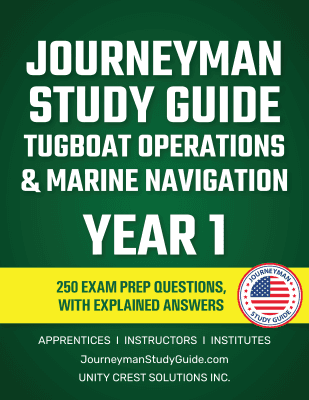
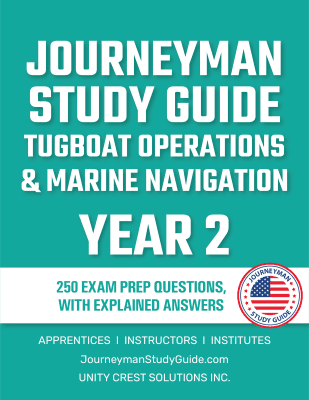
Quick and easy practice to test your knowledge anytime, anywhere—ideal for simple, on-the-go preparation.