Questions, Answers, & Explanations
Get clear explanations behind every answer, perfect for deeper learning and more thorough exam preparation.

A guide like this one is meant to advocate for Agricultural Equipment Technicians (AET) to help practitioners qualify affirmatively in the AET discipline. Agricultural equipment technicians help in targeting determination, predicting, repairing, and sustaining the framework changes that occur in the agriculture industry, like the mechanization of tractors, combines, and harvesters in modern agriculture production. In many cases, technicians working in mechanical environments also expand into similar repair-based roles, which you can explore through this related heavy machinery repair specialization.
AET professionals have a critical role to play in ensuring all components of farming systems are operational, functioning, and running concurrently for total productivity during the farming season. AET professionals have to understand and be able to work on the systems of hydraulics and mechanics, as well as the electrical and electronic systems of every machine. Part of the job of an AET is to discover and fix (this includes replacing systems) any mechanical parts that have become inoperable and ensure the equipment is functioning to the mechanical and operational specifications of the components made available by the manufacturer.
In simple terms, this guide is meant to aid understanding and preparation for all the components that the Agricultural Equipment Technician (AET) requires, especially on the technical parts that relate to the maintenance of the agricultural equipment as well as the maintenance aspects that are necessary in the training modules. This guide is not to be, and should not be regarded as, formal assessment training, an apprenticeship, training modules, or a specific guide set by an establishment.
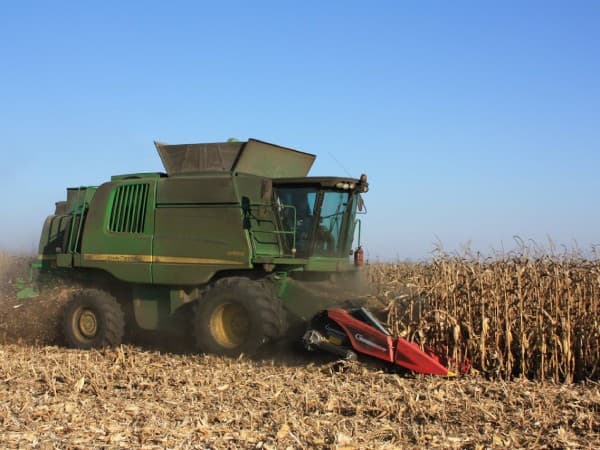
The profession of Agricultural Equipment Technicians (AET) deals with all the technologic systems that are put in the crop cultivation and farming system operations. The contemporary mechanization of farming combines the old mechanical parts with a new system of tools and components.
Agricultural machinery mechanics must get acquainted with engine systems, power transmission parts, hydraulics, and electronics embedded in agricultural machinery. They frequently collaborate with farmers, machinery users, and dealers to diagnose problems and repair machines during the peak seasons of farming.
In many firms, technicians have to conduct preemptive maintenance. They have to check the machines, fine-tune some parts, and change components, all before those parts break down. This work is critical to ensuring uninterrupted agricultural work.
The agricultural equipment technician study guide prepares learners to master these systems and how the components of various machines work in the agricultural field.
Apprenticeship, Training, and Entry Opportunities in the U.S.
Most agricultural equipment technicians start their career journey from a vocational community college where technical education is offered. This education focuses on the use of diesel engines, hydraulic systems, electronics, and mechanics in agricultural machinery.
Diagnosis and other computerized tools used by manufacturers are also covered. Learning to use these tools is done in the field through practical exercises.
Another frequent route into the trade is through apprenticeship programs or employer-sponsored training. Apprenticeships typically last several years, integrating classroom instruction with supervised on-the-job training.
Training programs in agricultural equipment technology may be associated with the workforce development efforts sponsored by the U.S. Department of Labor, among others. Many of these foundational skills also overlap with broader industrial mechanical systems, which can be better understood through this expanded industrial maintenance perspective.
This study guide is designed for journeyman agricultural equipment technicians and complements the study of numerous mechanical and technical concepts typically acquired during training and apprenticeship programs.
In the agricultural equipment technician trade, assessments usually test both theoretical and practical mechanical components. Written exams may cover concepts related to engine systems and diagnostics, electrical and hydraulic systems, and diagnostic methods.
Test takers may have questions on equipment operations, maintenance and repairs, and diagnostic troubleshooting. It is equally important to evaluate the ability to use technical manuals and the ability to read equipment diagrams.
Candidates may be tested on their ability to recognize mechanical defects, to perform inspections on equipment, or to execute safe repair procedures. These assessments seek to validate the technician's comprehension of the mechanical and safety components of agricultural machinery.
Using an organized study guide can help students learn the relevant study guide for an agricultural equipment technician, familiarize themselves with the trade's relevant technical language, and learn the diagnostic concepts.
The Benefits of the Agricultural Equipment Technician Study Guide
The Agricultural Equipment Technician Study Guide is designed for learners to help them have a detailed comprehension of relevant technical concepts for the maintenance and repair of agricultural equipment. This guide will not help you pass the exam, but will help you gain a better understanding of the mechanical systems.
The study guide consists of topics such as the operation of engines, hydraulic systems, electronic control systems, and maintenance. The guide also provides examples of the troubleshooting processes of technicians working in the repair of agricultural equipment.
With the information in the guide, students will gain a better understanding of the work of an agricultural equipment technician and prepare for the assessment or evaluation.
The agricultural equipment technicians work in many fields of farming and agricultural machinery. Many of the technicians work for equipment dealerships that sell and service equipment from major agricultural equipment manufacturers.
Some other technicians work for their own repair shops, agricultural service companies, or large farming businesses that hold their own equipment fleets. Some technicians may work with (or have) specific skills in only one type of machinery, like harvesting, irrigation, or planting systems.
With the right experience, technicians can also move on to other positions like service manager, lead technician, or equipment specialist. Some of these professionals choose to change into roles like technical training, equipment sales, or machinery evaluation.
Taking into account the modern age, the agricultural industry has adopted the use of advanced machinery; therefore, skilled agricultural equipment technicians are part of the agricultural industry.
There are several organizations that support the training and professional development of agricultural equipment service industry technicians. Many technical education programs have partnered with manufacturers and training organizations to prepare technicians to handle current technology and repair processes.
Most workplace safety regulations for machinery maintenance are the guidelines set by the Occupational Safety and Health Administration (OSHA).
In addition to OSHA, manufacturers and industry associations provide guides and technical training to support services that help technicians master the rapidly changing technologies in agriculture. For those interested in expanding into broader service-based technical roles, this alternative mechanical service pathway can offer useful insights.
By staying in touch with the available technology, technicians can service modern agricultural machinery.
A potential entry-level candidate could be an individual with a basic understanding of mechanics and a foundational understanding of the machinery used in US agriculture but without support from a network of experience in agriculture in the US. This person may have knowledge of some theories of engines or mechanical systems but lacks experience in large farming operations.
Issues they may run into include learning how to use diagnostic software, reading and understanding manuals, and learning how to work with the seasonality of agriculture repair work. Getting familiar with all the varieties of farm equipment and repair methods may take some time, and it will take more than just one season.
It is possible to train entry-level technicians to be able to perform the necessary work to be able to diagnose and correct complex repairs to machinery.
A seasoned technician is someone who has spent years repairing cross fields and with COBs and has undergone more than one transition. However, even the most seasoned professionals have to learn a lot in terms of changes in technology and how integrated circuitry and computers are into the new machines.
Experienced technicians usually go to supervisory positions and may serve as teachers for less experienced operators or even as operators of the repair team in a service department. They can find technical problems very rapidly and help their peers overcome obstacles in technical problems.
Training and development help veteran professionals stay effective.
Get clear explanations behind every answer, perfect for deeper learning and more thorough exam preparation.
Quick and easy practice to test your knowledge anytime, anywhere—ideal for simple, on-the-go preparation.