Site Updates in Progress: Things might look different as we work on enhancing your experience.

Journeyman
    • FAQ
    • Students FAQ
    • Instructors FAQ
    • Schools & Institutions FAQ
    • Help Articles
    • What is a Journeyman
    • Steps to Becoming a Journeyman
    • Preparing for the Journeyman Exam
    • What to Expect on Exam Day
    • Journeyman Pay: What to Expect
    • Immigrants Becoming Journeymen
    • Challenging the Exam Without an Apprenticeship
    • What Trade is Right for Me
    • Navigating the Job Market
    • Journeyman and Master Tradespeople
    • State-by-State Licensing
    • What are Apprenticeships
    • Continuing Education for Journeymen
    • Women in the Trades
    • Trades vs College
    • FAQ About the Journeyman Process
    • Products & Services
    • Custom Tests and Training
    • Marketing and More
    • Meet the Creators
    • Kris McFarlane
    • Bobby Bedi
    • Unity Crest Solutions
  • Contact Us
  • Login
Journeyman
  • Home
  • Study Guides
    Study Guides
    • Practice Tests
      Practice Tests
      • Resources
        Resources
        • FAQ
          FAQ
          • Students FAQ
          • Instructors FAQ
          • Schools & Institutions FAQ
        • Help Articles
          Help Articles
          • What is a Journeyman
          • Steps to Becoming a Journeyman
          • Preparing for the Journeyman Exam
          • What to Expect on Exam Day
          • Journeyman Pay: What to Expect
          • Immigrants Becoming Journeymen
          • Challenging the Exam Without an Apprenticeship
          • What Trade is Right for Me
          • Navigating the Job Market
          • Journeyman and Master Tradespeople
          • State-by-State Licensing
          • What are Apprenticeships
          • Continuing Education for Journeymen
          • Women in the Trades
          • Trades vs College
          • FAQ About the Journeyman Process
        • Products & Services
          Products & Services
          • Custom Tests and Training
          • Marketing and More
          Meet the Creators
          Meet the Creators
          • Kris McFarlane
          • Bobby Bedi
          • Unity Crest Solutions
      • Contact Us

      Access top-tier trade education from anywhere in America—flexible, affordable, and digitally powered. Proudly American owned and operated.

      Useful Links

      • Home
      • Students FAQ
      • Instructors FAQ
      • Blogs
      • Contact Us

      Study Guides

      • 3D Printing & Additive Manufacturing
      • Agricultural Equipment Technician
      • Apparel Manufacturing & Textile Production
      • Appliance Service Technician
      • Aquaponics Specialist
      • Arborist/Tree Surgeon
      • Auto Body And Collision Technician
      • Automotive Refinishing Technician
      • Automotive Service Technician
      • Avionics Technician
      • Baker
      • Battery Technician (EV and Renewable Energy)
      • Blaster/Driller (Construction and Quarrying)
      • Boiler and Pressure Vessel Inspector
      • Boilermaker
      • Bowyer & Archery Technician
      • Brewery Technician
      • Bricklayer
      • Butcher (Industrial Scale)
      • Cabinetmaker
      • Cannabis Cultivation Technician
      • Carpenter
      • Carpenter - Formwork
      • Composting System Operator
      • Concrete Finisher
      • Confined Space Technician
      • Construction Craft Worker
      • Cook
      • Crane Operator (Mobile Crane Operator)
      • Custom Closet and Storage Installer
      • Custom Staircase Fabricator
      • Cutlery & Bladesmithing Technician
      • Directional Driller
      • Distillation Equipment Operator
      • Dock Builder
      • Drywall Finisher and Plasterer
      • Electric Vehicle Charging Station Installer
      • Electrician - Construction
      • Electrician - Industrial
      • Electrician - Residential & Multifamily
      • Elevator Constructor
      • Elevator Technician
      • Emergency Vehicle Technician
      • Esthetician
      • Floorcovering Installer
      • Forestry Equipment & Machinery Operation
      • Foundation Repair Technician
      • Frac Technician (Oilfield Services)
      • Gas Fitter - Class A
      • Gas Fitter - Class B
      • Glass Installer - Automotive
      • Glazier
      • HVAC Refrigerator
      • Hairstylist
      • Hazardous Materials Technician
      • Heavy Duty Equipment Technician
      • Heavy Equipment Operator -Tractor – Loader – Backhoe
      • Heavy Equipment Operator – Dozer
      • Heavy Equipment Operator – Excavator
      • Heavy Haul Rock Truck Operation
      • High-Pressure Pipe Welder
      • Horticulturalist Cannabis
      • Horticulturist - Landscape
      • Hydraulic Equipment Technician
      • Hydroelectric Systems & Power Generation
      • Industrial Mechanic – Millwright
      • Industrial Sewing Machine Operation & Maintenance
      • Instrumentation And Control Technician
      • Ironworker - Generalist
      • Ironworker - Reinforcing
      • Ironworker - Structural / Ornamental
      • Knifemaking & Cutting Tool Fabrication
      • Lather - Interior Systems Mechanic
      • Locomotive Mechanic
      • Log Hauling & Transport Operations
      • Machinist
      • Masonry Restoration Specialist
      • Medical Equipment Repair Technician
      • Metal Fabricator – Fitter
      • Motorcycle Technician
      • Natural Gas Compressor Operator
      • Network Equipment Installer
      • Oil Field Rig Mechanic
      • Oil Heat System Technician
      • Orthotics Technician
      • Painter and Decorator
      • Parts Technician
      • Patternmaking & Garment Production
      • Plastics Fabricator
      • Plumber
      • Port Equipment Operator
      • Powerline Technician
      • Precision Optics Technician
      • Prosthetics Technician
      • Quality Control Technician
      • Radio Frequency Technician
      • Railway Signal Technician
      • Recording & Audio Engineering
      • Recreation Vehicle Service Technician
      • Refrigeration and Air Conditioning Mechanic
      • Residential Energy Auditor
      • Robotics Maintenance Technician
      • Roofer
      • Scenic Construction & Stage Fabrication
      • Set Designer (Film and Theater)
      • Sheet Metal Worker
      • Shipwright (Wood and Composite Construction)
      • Soil Testing Technician
      • Sprinkler Fitter
      • Stage Rigging Technician
      • Steamfitter / Pipefitter
      • Swimming Pool Technician
      • Tactical Equipment Technician
      • Tactical Firearms Technician
      • Textile Technology & Fabric Engineering
      • Tilesetter
      • Tire Technician (Commercial and Industrial Vehicles)
      • Tool Repair Technician
      • Tool and Die Maker
      • Tower Crane Operator
      • Transport and Coach Technician
      • Truck Trailer Service Technician
      • Truck and Transport Mechanic
      • Tugboat Operations & Marine Navigation
      • Waterproofing Technician
      • Welder
      • Well Servicing Technician
      • Wildlife and Land Conservation Technician

      Contact Us

      info@journeymanstudyguide.com

      Locations Serving:

      • Albuquerque
      • Austin
      • Baltimore
      • Charlotte
      • Chicago
      • Columbus
      • Dallas
      • Denver
      • Detroit
      • Fort Worth
      • Houston
      • Indianapolis
      • Jacksonville
      • Kansas
      • Las Vegas
      • Los Angeles
      • Louisville
      • Memphis
      • Milwaukee
      • Nashville
      • New York
      • Oklahoma
      • Philadelphia
      • Phoenix
      • Portland
      • San Antonio
      • San Diego
      • San Francisco
      • San Jose
      • Seattle

      ©2026 ALL RIGHTS RESERVED. Unity Crest Solutions Inc.

      Your browser does not support the video tag.
      HomeCourses
      Directional Driller
      Buy Now

      Journeyman Directional Driller Study Guide & Exam Prep

      What is a Directional Driller?

      A directional driller operates specialized equipment to drill at precise angles for oil, gas, and utility installations. Their work enables pipelines, communication cables, and underground utilities to be installed without disrupting roads, buildings, or the environment. Directional drilling is crucial in offshore oil rigs, urban infrastructure projects, and remote drilling locations.

      Key Responsibilities

      Directional drillers must combine technical expertise, precision, and problem-solving skills to complete complex drilling operations. Their daily responsibilities include:

      • Planning and Executing Drilling Paths – Interpreting subsurface maps and geological data to determine optimal drilling angles.
      • Operating Advanced Drilling Equipment – Using horizontal directional drilling (HDD) machines and rotary steerable systems.
      • Monitoring Drilling Progress – Adjusting angles, pressure, and rotation speed to maintain accuracy.
      • Maintaining Equipment – Ensuring drill bits, mud motors, and downhole tools function properly.
      • Ensuring Safety & Compliance – Following OSHA, EPA, and API safety standards to prevent blowouts and protect the environment.

      Skills and Traits for Success

      A successful directional driller must have:

      • Mechanical & Technical Knowledge – Understanding drill rigs, hydraulic systems, and downhole tools.
      • Geological & Mapping Skills – Interpreting borehole logs, seismic surveys, and geotechnical reports.
      • Mathematical & Problem-Solving Abilities – Calculating drill angles, depth measurements, and pressure tolerances.
      • Physical Stamina & Focus – Working long shifts in high-pressure drilling environments.
      • Communication & Teamwork – Coordinating with geologists, engineers, and rig operators to complete projects efficiently.

      Industries Where Directional Drillers Thrive

      Directional drillers play a critical role in multiple industries, including:

      • Oil & Gas Exploration – Used in shale formations, deepwater drilling, and unconventional reservoirs.
      • Pipeline & Utility Installation – Laying underground water, gas, and fiber optic cables.
      • Renewable Energy Development – Drilling for geothermal energy extraction and carbon capture projects.
      • Infrastructure & Transportation – Boring under roads, rivers, and railways for tunneling projects.

      Why Choose This Career?

      A career in directional drilling offers high demand, job security, and strong earning potential:

      • Expanding Energy Sector – The U.S. leads in shale oil drilling, offshore rigs, and natural gas projects.
      • Essential for Infrastructure – HDD techniques are widely used in urban utility installations and renewable energy.
      • Career Advancement – Opportunities to become a lead driller, rig supervisor, or drilling engineer.
      • Competitive Wages – Certified drillers can earn excellent salaries, especially in oil-rich states like Texas, North Dakota, and Pennsylvania.

      Get Certified and Advance Your Career

      Proper training in drilling operations, safety protocols, and downhole technology is essential for success. Our Q&A study materials, online tests, and certification prep guides provide the knowledge needed to excel in the field of directional drilling.

      What to Expect on the Directional Driller Certification Exam

      The Directional Driller Certification Exam assesses technical knowledge, safety awareness, and drilling competency. Many employers, including Halliburton, Schlumberger, and Baker Hughes, require certification to verify a driller's ability to operate advanced drilling systems safely and efficiently.

      Exam Format

      The certification exam consists of both written and practical components:

      • Number of Questions: Typically 100–120 multiple-choice questions.
      • Duration: 3–4 hours, depending on the certifying body.
      • Question Types:
        • Real-world drilling scenarios requiring path adjustments and troubleshooting.
        • Identification of drill bits, mud motors, and downhole tools.
        • OSHA safety compliance questions on PPE, rig safety, and environmental protection.
        • Mathematical calculations for borehole trajectory, drill string pressure, and mud flow rates.

      Key Topics Covered

      1. Directional Drilling Techniques
         
        • Understanding horizontal, extended reach, and multilateral drilling.
        • Adjusting mud weight, bit rotation, and downhole tool settings for different formations.
      2. Safety & Environmental Protection
         
        • OSHA and EPA regulations for spill prevention and blowout control.
        • Proper use of Personal Protective Equipment (PPE) and fall protection systems.
      3. Downhole Tools & Equipment
         
        • Identifying and maintaining rotary steerable systems, mud motors, and stabilizers.
        • Ensuring proper bit selection based on rock formations and drilling depth.
      4. Mathematical & Engineering Calculations
         
        • Calculating build and drop rates, borehole azimuth, and deviation angles.
        • Estimating drill bit penetration rates and pressure management.

      Passing Requirements

      Most certifying bodies require a minimum score of 70% to pass. Practical assessments may involve simulated drilling operations where candidates must demonstrate precision in drill path navigation and troubleshooting techniques.

      Tips for Effective Exam Preparation

      1. Review Study Guides & Practice Tests – Our Q&A and Q/A Explanation products simplify complex drilling topics.
      2. Take Online Simulated Tests – Our interactive tests provide real-time feedback on drilling calculations and tool selection.
      3. Focus on Weak Areas – Spend extra time reviewing drill string hydraulics, safety regulations, and directional control.

      Get Ready to Pass Your Exam

      Our Q&A study guides, detailed explanations, and online tests help you build confidence and prepare for the Directional Driller Certification Exam.

      What Types of Questions Are on the Exam?

      The Directional Driller Certification Exam assesses knowledge of drilling operations, safety regulations, and tool functionality. Understanding the question formats helps candidates prepare effectively.

      Common Question Formats

      1. Multiple-Choice Questions
         
        • Assess technical drilling knowledge, safety procedures, and downhole equipment.
      2. Scenario-Based Questions
         
        • Evaluate the ability to adjust borehole trajectory, prevent kickbacks, and manage drill string failures.
      3. Mathematical Calculation Questions
         
        • Require solving for borehole azimuth, kick tolerance, and hydraulic pressure losses.
      4. Equipment Identification Questions
         
        • Examine images or descriptions of drill bits, mud pumps, and rotary steerable systems.

      Sample Questions

      1. Directional Drilling Techniques
         
        • What is the primary purpose of a downhole mud motor?
          • A) Increase drill bit torque
          • B) Prevent blowouts
          • C) Stabilize the borehole
          • D) Measure formation density
          • Answer: A) Increase drill bit torque
      2. OSHA Safety Standards
         
        • Which PPE is required when handling drilling mud additives?
          • A) Safety glasses & respirator
          • B) Hard hat & steel-toe boots
          • C) Fire-resistant gloves & ear protection
          • D) High-visibility vest & knee pads
          • Answer: A) Safety glasses & respirator

      Study Smarter, Pass Faster

      Our Q&A products break down complex topics, while our Online Tests provide real-time performance tracking.

      What Is It Like to Work as a Directional Driller?

      The daily life of a directional driller is fast-paced and physically demanding, requiring precise coordination, problem-solving, and technical expertise. These professionals operate high-tech drilling systems to create underground paths for oil, gas, and utility infrastructure.

      Morning: Pre-Drill Setup & Planning

      1. Reviewing Drilling Plans & Geological Reports
         
        • Examining seismic data and formation characteristics to determine the best approach.
        • Collaborating with engineers, geologists, and rig supervisors to refine the drilling trajectory.
      2. Inspecting Equipment & Safety Gear
         
        • Ensuring mud pumps, drill bits, and rotary steerable tools are operational.
        • Conducting OSHA safety briefings and verifying PPE requirements.
      3. Positioning & Calibrating the Drill Rig
         
        • Setting up the HDD (Horizontal Directional Drilling) machine.
        • Calibrating sensors and downhole equipment for real-time monitoring.

      Midday: Active Drilling Operations

      1. Executing the Drilling Plan
         
        • Controlling drill speed, pressure, and mud flow to maintain efficiency.
        • Adjusting angles and paths based on subsurface conditions.
      2. Monitoring Borehole Conditions
         
        • Using downhole sensors and MWD (Measurement While Drilling) tools to track deviation.
        • Troubleshooting fluid pressure changes and bit wear.
      3. Problem-Solving & Adjustments
         
        • Addressing equipment malfunctions, unexpected formations, or kickback issues.
        • Communicating with remote drilling engineers to implement real-time corrections.

      Afternoon: Completion & Reporting

      1. Logging Data & Evaluating Performance
         
        • Recording drilling depth, torque levels, and mud circulation data.
        • Creating daily drilling reports for project managers and regulatory compliance.
      2. Conducting Rig Maintenance
         
        • Cleaning and inspecting drill bits, mud pumps, and stabilizers.
        • Scheduling preventative maintenance on downhole tools.
      3. Preparing for the Next Drill Site
         
        • Reviewing upcoming drilling locations and environmental impact assessments.
        • Discussing lessons learned and performance improvements with the crew.

      Challenges & Rewards

      • Challenges: Long hours, high-pressure decision-making, and unpredictable underground conditions.
      • Rewards: Competitive wages, job stability, and working with cutting-edge drilling technology.

      Ready to Start Your Career?

      Prepare with our study guides, Q&A products, and interactive online tests designed for directional drillers.

      What Are the Long-Term Benefits of a Career in Directional Drilling?

      Directional drilling offers high earning potential, career advancement, and specialized skill development. Professionals in this field can move up to lead driller, drilling supervisor, or even start their own HDD business.

      Career Progression

      1. Entry-Level Driller Assistant ($20–$30 per hour)
         
        • Gains hands-on experience with drilling fluids, equipment maintenance, and site preparation.
      2. Directional Driller (Certified) ($30–$50 per hour)
         
        • Operates rotary steerable systems, downhole sensors, and HDD machinery.
        • Responsible for trajectory adjustments and drilling efficiency.
      3. Senior Directional Driller / Rig Supervisor ($50–$80 per hour)
         
        • Oversees multiple drill sites and advanced wellbore navigation techniques.
        • Ensures regulatory compliance and optimal drilling performance.
      4. Drilling Engineer / Project Manager ($80,000–$150,000 per year)
         
        • Designs drilling programs for major oil & gas corporations.
        • Manages budgets, teams, and cutting-edge drilling technologies.

      Top Employers & Career Opportunities

      • Oil & Gas Companies
        • Halliburton, Schlumberger, Baker Hughes – Leaders in advanced drilling technology and wellbore navigation.
      • Infrastructure & Utility Companies
        • Vermeer Corporation, Ditch Witch, American Augers – HDD equipment specialists for fiber optics, gas, and waterline drilling.
      • Renewable Energy & Geothermal Drilling
        • Ormat Technologies, TerraTherm, and Geothermal Energy Association – Develop geothermal wells and carbon capture systems.

      Union & Certification Benefits

      • National Drilling Association (NDA) Certification – Recognized for HDD safety and drilling proficiency.
      • OSHA 30-Hour Safety Certification – Required for industrial drill site operations.
      • American Petroleum Institute (API) Training – Covers blowout prevention and fluid control.

      Why This Career Matters

      Directional drilling plays a crucial role in energy independence, infrastructure expansion, and environmental protection.

      Take the Next Step

      Advance your career with our study guides, Q&A materials, and interactive online tests tailored for directional drillers.

      How Much Can You Earn as a Directional Driller?

      Wages for directional drillers vary based on experience, location, and industry demand. High-paying roles exist in oil fields, infrastructure drilling, and HDD (Horizontal Directional Drilling) projects.

      Wage Breakdown by Experience Level

      • Entry-Level Driller Assistant ($40,000–$65,000 per year)
      • Certified Directional Driller ($70,000–$120,000 per year)
      • Senior Driller / Rig Supervisor ($120,000–$180,000 per year)
      • Drilling Engineer / Project Manager ($150,000–$250,000 per year)

      Factors That Impact Earnings

      • Industry Demand – Higher wages in Texas, North Dakota, and Oklahoma oil fields.
      • Certification & Training – OSHA, API, and NDA certifications increase earning potential.
      • Union Membership – Membership in IUOE (International Union of Operating Engineers) can provide higher wages and benefits.

      Maximize Your Earning Potential

      Advance your career with our Q&A study materials, certification prep courses, and interactive online tests.

      Essential Tools for Directional Drilling

      • Drilling Rigs & HDD Machines – Vermeer, Ditch Witch, American Augers
      • Downhole Sensors & MWD Tools – Halliburton, Schlumberger, Baker Hughes
      • Safety Equipment & PPE – Grainger, Northern Safety & Industrial

      Recommended Training Programs

      • National Drilling Association (NDA) Courses – Focus on HDD drilling operations.
      • OSHA 30-Hour Construction Safety Training – Ensures compliance with rig safety protocols.
      • API Well Control Certification – Covers blowout prevention and emergency procedures.

      Get Equipped for Success

      Prepare for certification with our study guides, Q&A resources, and interactive online tests tailored for directional drillers.

      Where Can You Train to Become a Directional Driller?

      Education programs in the U.S. provide hands-on training in horizontal directional drilling (HDD), mud motor technology, and downhole surveying. These programs prepare students for careers in oil, gas, infrastructure, and utility drilling.

      Types of Training Programs

      1. Vocational & Technical Schools
         
        • Texas A&M University – Petroleum Engineering Program – Covers directional drilling techniques, wellbore stability, and casing design.
        • Oklahoma State University Institute of Technology – Offers training in HDD equipment, mud motors, and drilling fluid management.
        • University of North Dakota – Petroleum Engineering – Specializes in drilling simulation and geomechanics.
      2. Apprenticeship & On-the-Job Training Programs
         
        • International Union of Operating Engineers (IUOE) Apprenticeships – Offers training in rig operations and underground utility drilling.
        • National Drilling Association (NDA) Training – Focuses on HDD, safety procedures, and equipment maintenance.
        • Employer-Based Training – Companies like Halliburton, Schlumberger, and Baker Hughes provide specialized training for new hires.
      3. OSHA & API Safety Certification
         
        • OSHA 30-Hour Construction Safety Training – Ensures knowledge of drilling site safety protocols.
        • API Well Control Certification – Covers blowout prevention and emergency response.
        • Hazardous Materials Handling Certification – Required for drillers working with oil-based muds and drilling chemicals.

      What to Expect in Training Programs

      • Core Topics Covered
         
        • Directional drilling planning and execution
        • Wellbore surveying and MWD (Measurement While Drilling) technology
        • Drilling fluid management and pressure control
        • Advanced rig equipment and HDD machine operation
      • Hands-On Training
         
        • Using real HDD rigs and downhole drilling tools for practical application.
        • Simulated well control scenarios to practice kick detection and blowout prevention.
      • Certification Preparation
         
        • Programs align with API, OSHA, and NDA standards to ensure job readiness.

      How to Choose the Right Program

      • Accreditation – Ensure the program is recognized by NDA, API, or a major industry association.
      • Job Placement Assistance – Schools with industry connections provide better career opportunities.
      • Location & Hands-On Training – Look for programs that offer field training with real drilling equipment.

      Advance Your Skills with Professional Training

      Becoming a certified directional driller requires technical expertise, safety training, and hands-on experience. Our Q&A study materials and online tests help reinforce key concepts and prepare for certification exams.

      Why Join a Union or Work with a Reputable Employer?

      Union membership and employment with established oil, gas, and infrastructure drilling companies provide job security, competitive wages, and career advancement opportunities.

      Benefits of Union Membership

      • Higher Wages & Benefits – Union directional drillers earn 20–30% more than non-union workers.
      • Job Security & Placement – Unions connect drillers with large-scale drilling projects.
      • Advanced Training & Certifications – Access to specialized drilling courses and safety training.
      • Workplace Protection & Advocacy – Ensures fair wages, safe working conditions, and legal representation.

      Top Unions for Directional Drillers

      1. International Union of Operating Engineers (IUOE) – Represents drillers in HDD, oil fields, and utility drilling.
      2. National Drilling Association (NDA) – Provides industry certification and continuing education.
      3. Laborers' International Union of North America (LIUNA) – Supports workers in infrastructure and pipeline drilling.

      Leading Employers Hiring Directional Drillers

      • Oil & Gas Companies
        • Halliburton, Schlumberger, Baker Hughes – Leaders in directional drilling technology.
      • Utility & Pipeline Companies
        • Vermeer Corporation, Ditch Witch, American Augers – Specializing in HDD utility drilling.
      • Geothermal & Renewable Energy Firms
        • Ormat Technologies, TerraTherm, and Geothermal Energy Association – Develop geothermal wells and carbon capture drilling.

      What Employers Look For

      • Certifications in HDD & Well Control – Employers prefer candidates with OSHA, NDA, and API training.
      • Experience with Downhole Tools & HDD Machines – Proficiency in rotary steerable systems, mud motors, and bore path planning.
      • Ability to Work in Remote & High-Pressure Environments – Directional drillers must adapt to changing subsurface conditions.

      How to Get Hired as a Directional Driller

      1. Complete a Directional Drilling Training Program – Earn certification from NDA or API.
      2. Join a Union for Career Benefits – IUOE and NDA provide job placement and training.
      3. Apply to Major Employers – Large oil, gas, and infrastructure firms hire year-round.
      4. Use Online Job Boards & Industry Networks – Find opportunities on Indeed, Rigzone, and union job portals.

      Why Unions & Employers Matter

      Unions and reputable employers ensure stable employment, high wages, and ongoing training opportunities for directional drillers.

      Secure the Best Career Opportunities

      Enhance your employability by getting certified and joining a union. Use our study guides, Q&A materials, and online tests to ensure success in directional drilling exams.

      How to Stay Ahead in the Directional Drilling Industry

      The directional drilling industry is evolving rapidly, driven by advances in telemetry, automation, and sustainability. Whether you're drilling in the Permian Basin or the Marcellus Shale, staying informed and adaptable is essential. To remain competitive as a directional driller, you’ll need to stay on top of emerging technologies, environmental regulations, and industry demands while continuing to build your expertise in steering techniques and subsurface mapping.

      Emerging Trends in Directional Drilling

      1. Automation and Real-Time Drilling Data

      High-tech rigs powered by automation and remote monitoring systems are transforming job sites. U.S. companies like Nabors Industries and Helmerich & Payne are leading innovation with automated steering tools and rotary steerable systems (RSS). Mastering digital telemetry and predictive maintenance tools is crucial for long-term success.

      2. Precision Drilling with Advanced MWD/LWD

      Measurement While Drilling (MWD) and Logging While Drilling (LWD) tools are getting more sophisticated. American manufacturers such as NOV (National Oilwell Varco) and Halliburton are integrating real-time sensors and directional software to optimize wellbore placement. Directional drillers must stay familiar with data interpretation and surface communication systems.

      3. Environmental Compliance and ESG Standards

      As public demand for environmentally responsible operations grows, so do regulations. Drillers must now account for groundwater protection, emissions control, and sustainable drilling practices. Staying current with EPA guidelines and OSHA safety standards is essential in regions like Texas, North Dakota, and Pennsylvania.

      Best Practices for Career Growth

      1. Continue Your Education

      Attend trade expos like The Society of Petroleum Engineers’ ATCE (Annual Technical Conference and Exhibition) or join seminars hosted by The American Association of Drilling Engineers (AADE). These events offer hands-on exposure to new tech, tools, and strategies.

      2. Learn New Software

      Gain proficiency in directional drilling software like WellArchitect, Compass, or Landmark’s Engineer’s Desktop. Many employers prioritize drillers who can plan and execute complex well paths digitally.

      3. Build a Professional Portfolio

      Document your well completions, horizontal runs, and successful sidetracks. Showcase achievements such as increased drilling efficiency or minimized downtime. This becomes invaluable when applying for positions with top-tier contractors or operating companies.

      Keeping Up With Regional Demands

      1. Texas and the Permian Basin

      As the heart of U.S. drilling, Texas demands high-volume horizontal well development. Drillers here benefit from staying aligned with organizations like Texas Oil & Gas Association (TXOGA) and companies such as Patterson-UTI.

      2. Pennsylvania and the Marcellus Shale

      Environmental regulations and close-quarters drilling are key concerns. Knowledge of green drilling techniques and air quality monitoring is a career advantage.

      3. North Dakota and the Bakken Formation

      Harsh weather, long lateral runs, and fast-paced schedules are common. Drillers in this region benefit from experience with winterized rigs and long-term mobility systems.

      Balancing Tradition and Technology

      While directional drilling is highly technical, foundational skills—like interpreting survey data, adjusting downhole motors, and communicating with rig crews—remain irreplaceable. Technology can assist, but it’s your hands-on expertise that drives a successful wellbore.

      Why Trade Insights Matter

      Staying current with drilling technologies, safety standards, and market trends sets you apart in a highly competitive industry. The more versatile and informed you are, the more indispensable you become—whether you're working for a service provider like Schlumberger or independently contracting with regional operators.

      Stay Prepared with the Right Tools

      Our Question & Answer (Q&A) and Question, Answer, & Explanation (Q/A Explanation) study tools help reinforce key concepts in directional drilling, from bottom hole assembly planning to torque and drag calculations. These instant-download PDFs come with detailed explanations to help you truly understand each answer—not just memorize it.

      And when you’re ready to simulate the real thing, our Online Tests offer live scoring and a running average to track your progress under timed conditions—just like the certification exam.

      Stay Informed. Stay Competitive.

      The directional drilling trade is constantly evolving—and those who grow with it thrive. Keep your skills sharp, your knowledge up to date, and your toolkit ready for any challenge. Prepare for certification and on-the-job success with our expert-crafted study guides and digital resources tailored for the American drilling industry.

      Buy Directional Driller

      Questions, Answers, & Explanations

      Get clear explanations behind every answer, perfect for deeper learning and more thorough exam preparation.

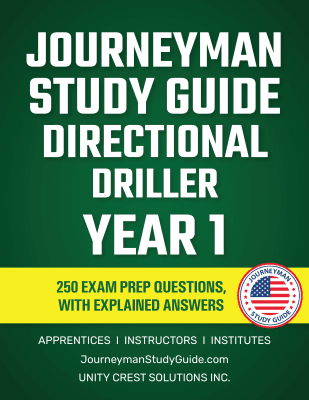
      • year-1

        Year 1

        250+ Exam Prep Questions
        $39
        Order Now Download Sample Book
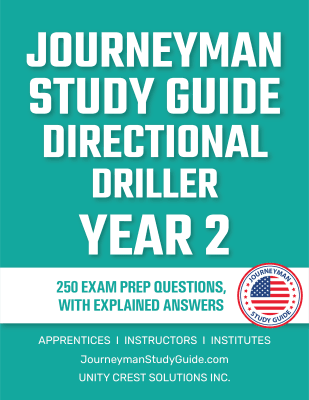
      • year-2

        Year 2

        250+ Exam Prep Questions
        $39
        Order Now Download Sample Book
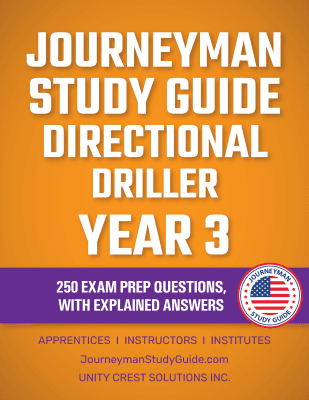
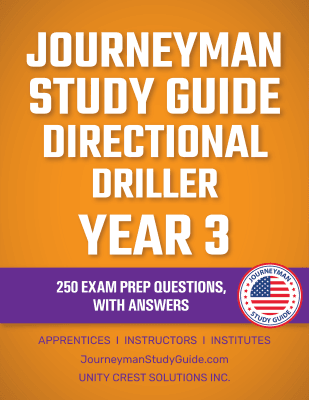
      • year-3

        Year 3

        250+ Exam Prep Questions
        $39
        Order Now Download Sample Book
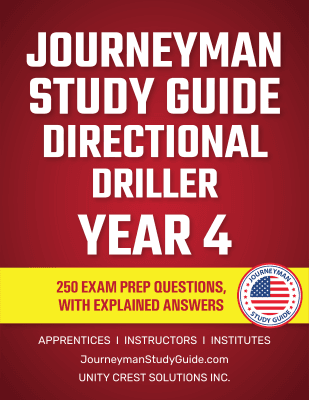
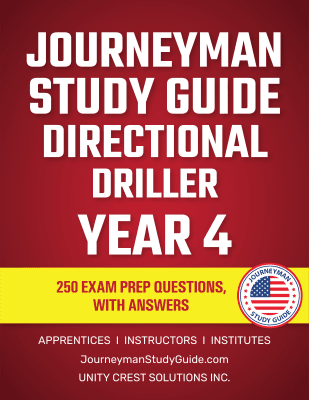
      • year-4

        Year 4

        250+ Exam Prep Questions
        $39
        Order Now Download Sample Book
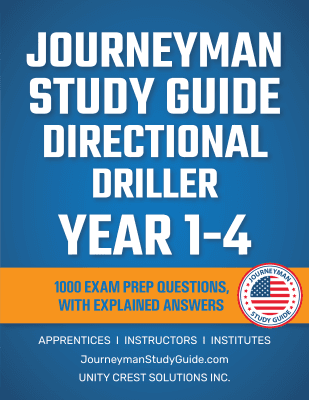
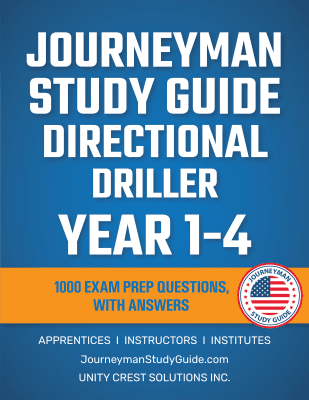
      • all-years-explained-answers

        All years - Explained Answers

        1000 Exam Prep Questions
        $139
      Questions & Answers

      Quick and easy practice to test your knowledge anytime, anywhere—ideal for simple, on-the-go preparation.
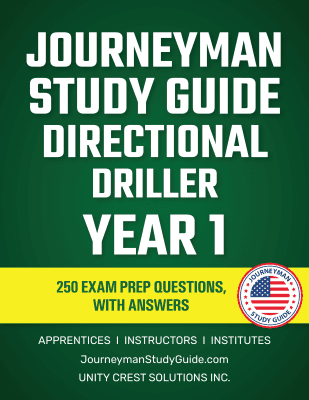
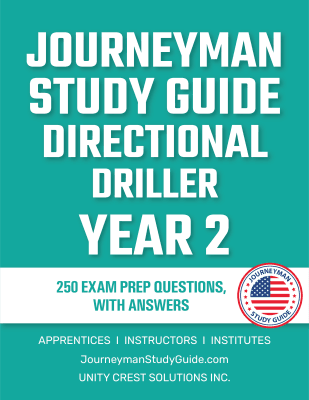
      • year-1-1

        Year 1

        250+ Exam Prep Questions
        $19
        Order Now Download Sample Book
      • year-2-1

        Year 2

        250+ Exam Prep Questions
        $19

      Evaluate Your Experience
      Test Access Here

      Take Online Test
      Order Now Download Sample Book
    • year-3-1

      Year 3

      250+ Exam Prep Questions
      $19
      Order Now Download Sample Book
    • year-4-1

      Year 4

      250+ Exam Prep Questions
      $19
      Order Now Download Sample Book
    • all-years-1

      All years

      250+ Exam Prep Questions
      $59