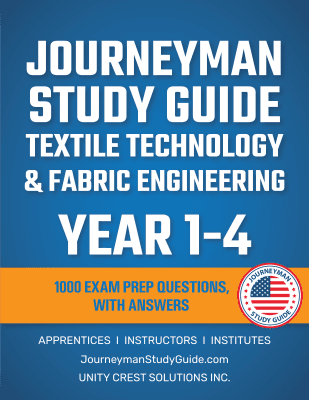
Questions, Answers, & Explanations
Get clear explanations behind every answer, perfect for deeper learning and more thorough exam preparation.

Textile Technology & Fabric Engineering is a dynamic and rapidly advancing field that combines traditional textile knowledge with modern technological innovations. This trade focuses on the design, development, production, and testing of fabrics, fibers, and materials that are used across a wide range of industries, including fashion, automotive, healthcare, construction, and more.
Overview of Textile Technology & Fabric Engineering
Textile Technology & Fabric Engineering involves the application of engineering principles to the production and processing of textiles. It covers everything from the basic science of fibers and yarns to the latest innovations in fabric manufacturing, including the development of smart fabrics, sustainable textile solutions, and high-performance materials. This field requires expertise in materials science, engineering, and design, along with a solid understanding of the textile manufacturing process.
Professionals in this trade work to improve the efficiency, quality, and functionality of textiles. They use advanced machinery and technology to create fabrics that meet specific standards for strength, durability, flexibility, and aesthetics. In addition to working with traditional fabrics like cotton, wool, and polyester, fabric engineers are also involved in the development of new materials, such as biodegradable fabrics and those used in wearable technology.
Key Areas of Focus
The Role of Textile Engineers in Various Industries
Textile engineers are in demand across a wide range of industries. In the fashion and apparel industry, they work with designers to create fabrics that are not only aesthetically pleasing but also functional and durable. In the automotive industry, textile engineers design fabrics for car interiors that are strong, flexible, and able to withstand wear and tear. In the medical field, they develop fabrics that are used in surgical gowns, bandages, and even wearable health monitoring devices.
Why Choose a Career in Textile Technology & Fabric Engineering?
Textile Technology & Fabric Engineering is a versatile and rewarding career path with opportunities for growth and innovation. With the increasing demand for advanced materials and sustainable solutions, professionals in this field are helping to shape the future of textile production. Whether you’re interested in designing cutting-edge fabrics, improving production processes, or working with smart textiles, this trade offers a wide range of opportunities.
In addition to the variety of industries you can work in, the demand for skilled professionals in this field is expected to grow. As technology continues to advance and new applications for textiles emerge, there will be an increasing need for textile engineers who can create innovative solutions. This makes Textile Technology & Fabric Engineering a promising career choice for those interested in combining engineering, creativity, and technology.
By choosing this trade, you’ll be able to make a tangible impact on the way textiles are created, used, and innovated, helping industries push the boundaries of what fabrics can do. With a foundation in both science and creativity, this trade offers a challenging and fulfilling career that can lead to endless possibilities.
The exam for Textile Technology & Fabric Engineering is designed to test the knowledge and skills that candidates need to succeed in this challenging and ever-evolving field. As a professional in Textile Technology, it is essential to demonstrate a solid understanding of both the theoretical aspects and practical applications of fabric production and design. Whether you're preparing to take the exam for certification or to advance your career, understanding the structure and content of the exam will help you prepare effectively.
Exam Overview
The Textile Technology & Fabric Engineering exam typically consists of multiple-choice questions (MCQs) that cover a wide range of topics. These include fabric construction, fiber science, textile testing, sustainability, and the latest trends in fabric engineering. The exam is structured to assess your knowledge of the fundamental principles of textile engineering as well as your ability to apply those principles in real-world situations.
The exam is divided into several sections, each focusing on a specific area of textile technology:
Each of these sections tests a different aspect of the knowledge required for a successful career in Textile Technology. Below, we’ll break down the content of each section to help you understand the key areas of focus.
Section Breakdown
Exam Format
The Textile Technology & Fabric Engineering exam is typically administered in a written format, either on paper or online. You will be asked a series of multiple-choice questions (MCQs), and your goal will be to select the correct answer based on your knowledge of the topics covered. Each question will have four possible answers, and you must choose the one that is most accurate.
In addition to the MCQs, there may be sections that require you to apply your knowledge to real-world scenarios. These could involve case studies or problem-solving exercises related to textile production, design, or sustainability.
Passing the Exam
To pass the exam and earn your certification in Textile Technology & Fabric Engineering, you will need to achieve a minimum passing score. The exact passing score may vary depending on the exam provider, but it typically ranges from 70% to 80%. It’s important to thoroughly prepare for the exam by studying all relevant materials, including textbooks, course notes, and online resources.
Study Tips for Success
The Textile Technology & Fabric Engineering exam is designed to assess the knowledge and skills needed to succeed in this exciting and dynamic field. The exam consists of multiple-choice questions (MCQs) that test both theoretical knowledge and practical application. Understanding the types of questions you may face will help you prepare more effectively for the exam.
Types of Exam Questions
The exam will primarily focus on a wide range of topics related to textile technology, from fiber science to fabric production and smart textiles. Here’s a breakdown of the major areas you should focus on when preparing for your exam.
1. Fiber Science and Fabric Composition
You will be tested on your knowledge of different fibers, their properties, and how they are used in textile production. This section will cover both natural fibers, such as cotton, wool, and silk, and synthetic fibers like polyester, nylon, and spandex. Questions may also ask about the processes of blending fibers to create fabrics with specific qualities.
Example Question:
Which of the following fibers is natural?
a) Polyester
b) Cotton
c) Nylon
d) Spandex
Answer: b) Cotton
2. Textile Production Techniques
This section will assess your understanding of various textile production techniques, such as spinning, weaving, knitting, dyeing, and finishing. You’ll need to know how each process works and how it affects the fabric's final characteristics. Questions might cover the machinery used in these processes and the steps involved in producing high-quality fabrics.
Example Question:
What is the primary purpose of the weaving process?
a) To twist fibers into yarn
b) To bind fibers together to create fabric
c) To dye the fabric
d) To finish the fabric
Answer: b) To bind fibers together to create fabric
3. Textile Testing and Quality Control
In this section, you’ll be tested on different textile testing methods, including tests for tensile strength, elasticity, colorfastness, and resistance to wear. Understanding the importance of quality control and knowing how to ensure fabric quality is crucial in the textile industry. You may be asked about the tools used in testing, like tensile testers and colorimeters.
Example Question:
Which test measures the ability of fabric to resist wear and tear?
a) Tensile strength test
b) Abrasion resistance test
c) Elongation test
d) Colorfastness test
Answer: b) Abrasion resistance test
4. Sustainability in Textiles
As the textile industry moves toward more sustainable practices, you’ll likely encounter questions related to eco-friendly production methods, sustainable materials, and waste reduction. This section may also cover biodegradable fabrics, recycling methods, and innovations aimed at reducing environmental impact.
Example Question:
Which of the following is a sustainable practice in textile production?
a) Using non-recyclable materials
b) Disposing of textile waste in landfills
c) Using plant-based fibers
d) Increasing water usage in dyeing processes
Answer: c) Using plant-based fibers
5. Smart Textiles and Wearable Technology
Smart textiles, which integrate electronics and sensors into fabrics, are a rapidly growing field. In this section, you may be asked about the technologies used to create smart fabrics, such as conductive fibers, and their applications in healthcare, sports, and consumer electronics.
Example Question:
What is a characteristic of smart textiles?
a) They are used only for fashion
b) They are able to change color or temperature in response to external stimuli
c) They are biodegradable
d) They are only made from natural fibers
Answer: b) They are able to change color or temperature in response to external stimuli
6. Fabric Design and Innovation
This section will test your understanding of fabric design principles, such as color, texture, pattern, and composition. You may also be asked about innovative fabrics used in high-performance applications, including those used in sportswear, automotive industries, or medical textiles.
Example Question:
Which type of fabric is commonly used for high-performance sportswear?
a) Silk
b) Cotton
c) Polyester
d) Wool
Answer: c) Polyester
7. Practical Application Questions
In addition to the MCQs, the exam may also include scenario-based questions where you’ll need to apply your knowledge to solve real-world problems. For example, you might be asked to recommend a fabric for a specific application based on its properties or troubleshoot a textile production issue.
Example Question:
You need to choose a fabric for a lightweight jacket that needs to be water-resistant and breathable. Which fabric would you select?
a) Cotton
b) Wool
c) Nylon
d) Silk
Answer: c) Nylon
How to Prepare for the Exam
To succeed in the Textile Technology & Fabric Engineering exam:
By understanding the exam structure and types of questions, you can prepare effectively and increase your chances of passing the Textile Technology & Fabric Engineering exam.
A career in Textile Technology & Fabric Engineering offers a diverse and dynamic daily routine, whether you're working in a design studio, a manufacturing facility, or a research lab. The day-to-day activities vary depending on the industry you work in and the specific role you hold, but the core responsibilities are centered around creating, improving, and testing textiles for a wide range of uses. Here’s an overview of what a typical day might look like for someone in this field.
Morning: Starting the Day with Team Collaboration
A typical day often starts with a team meeting to discuss the day’s tasks, ongoing projects, and any updates in the industry or technology. Whether you're working in textile manufacturing or fabric design, collaboration is key. These meetings are essential for coordinating efforts, setting goals, and addressing any challenges in production or design processes.
For example, a textile engineer in a manufacturing facility may meet with colleagues from different departments, such as quality control, production, and R&D, to review the progress of fabric testing or the development of new materials. If you’re in a design role, you might discuss new textile patterns, colors, or innovative material ideas with your team or clients.
Mid-Morning: Hands-On Work with Materials
After the meeting, the day often involves hands-on work with materials. This could mean working with raw fibers to create yarn, monitoring the operation of weaving or knitting machines, or developing new fabric designs. Textile engineers working on the production floor may oversee machines that spin fibers into yarn or fabric and adjust the settings to ensure the material meets quality standards.
If you're involved in testing and quality control, this part of the day may be spent running tests on the fabric. This could involve using equipment to measure fabric strength, elasticity, or colorfastness. You'll ensure the material meets the required specifications and standards before it is sent to production or distribution.
For textile designers, a significant part of the day involves creative work, selecting fibers, textures, and colors to develop innovative fabric patterns and designs. You may sketch your ideas, use design software, or work directly with textile printers to bring these designs to life. You'll spend time experimenting with various fabric combinations to create textiles that are not only functional but also aesthetically appealing.
Afternoon: Problem-Solving and Quality Control
In the afternoon, much of the work may shift to problem-solving and ensuring the quality of products. Whether you’re troubleshooting an issue in the production process or reviewing test results from earlier in the day, it’s important to pay attention to every detail. Quality control is critical in textile technology, as the durability, color, and overall quality of the fabric directly impact its application in the market.
For those involved in fabric testing, the afternoon might include re-checking test results to verify fabric performance. If a fabric doesn’t meet the desired criteria, you may need to modify the production process or adjust the fabric composition. For example, if a fabric is not meeting strength requirements, you may need to review the type of fibers being used or the weaving technique.
If you're working in textile innovation or smart fabrics, the afternoon could involve collaborating with engineers or designers on integrating sensors or electronics into textiles. This cutting-edge aspect of the field requires attention to detail and a deep understanding of both textile construction and electronics.
Late Afternoon: Research and Development or Client Interaction
As the day draws to a close, you may spend time researching new developments in textile technology, such as sustainable materials or advancements in fabric performance. If you work in a research and development role, you may be experimenting with new materials or processes, striving to create textiles that are more environmentally friendly, durable, or multifunctional.
In some roles, particularly for those in sales or client-facing positions, the afternoon might involve meetings with clients or suppliers. You’ll present new textile samples, discuss trends in the industry, and ensure the fabric meets client specifications. Strong communication skills are key in these interactions, as you must explain the benefits and technical aspects of different fabrics to non-technical clients.
End of the Day: Wrapping Up and Preparing for Tomorrow
At the end of the day, textile engineers and designers often review their progress and update project timelines. If there are any outstanding issues or tasks that need to be addressed, you’ll make a plan for the next day. A successful day in the textile industry is about balancing creativity with technical skills, ensuring that fabrics not only look good but also perform well in their intended applications.
A career in Textile Technology & Fabric Engineering offers a mix of hands-on work, creative design, and problem-solving. Whether you’re working with advanced machinery, developing sustainable fabrics, or exploring the future of smart textiles, every day is an opportunity to innovate and improve the materials that shape our world.
A career in Textile Technology & Fabric Engineering offers a diverse and rewarding path with opportunities across a wide range of industries. Whether you're interested in working in design, manufacturing, research, or sustainability, this field has something for everyone. From the basics of fiber science to the cutting-edge development of smart textiles, your career in textile technology can take many exciting directions.
Starting Your Career
For those just starting out in the field, a solid educational foundation is essential. Most professionals in Textile Technology & Fabric Engineering have a degree in textile engineering, material science, or a related field. Some positions may also require specialized training in areas like fabric design, textile testing, or sustainable production methods.
Upon completion of formal education, many individuals begin their careers in entry-level positions such as a textile technician or production assistant. These roles typically involve hands-on work in manufacturing settings, fabric testing, or assisting with the development of new materials. As an entry-level professional, you'll gain experience with the machinery used in fabric production, testing procedures, and the day-to-day operations of a textile facility.
Advancing in the Industry
As you gain experience in the textile industry, you can advance to roles with more responsibility and specialization. Some common career paths include:
1. Textile Production Engineer
In this role, you would oversee the production of textiles, ensuring the efficient operation of machinery and maintaining high standards of quality control. A textile production engineer focuses on improving processes, reducing waste, and ensuring that fabrics meet industry standards for durability, strength, and appearance. This role is ideal for someone with strong problem-solving skills and a good understanding of textile manufacturing processes.
2. Fabric Designer
For those with a creative flair, fabric design offers an exciting career. Fabric designers work to create patterns, colors, and textures for various applications, from fashion to industrial uses. They collaborate with other designers, clients, and manufacturers to bring their designs to life. Designers need a strong understanding of textile properties and how different fibers and finishes will affect the final product.
3. Textile Testing and Quality Control Specialist
A textile testing specialist focuses on ensuring that fabrics meet safety and performance standards. In this role, you would conduct tests on textiles for properties such as strength, durability, colorfastness, and flexibility. Quality control specialists also ensure that production processes meet industry regulations and that any defects in materials are addressed promptly. This position is perfect for someone with attention to detail and a passion for ensuring high-quality products.
4. Research and Development (R&D) Specialist
As the textile industry continues to innovate, research and development specialists are needed to explore new materials, fabrics, and production methods. In this role, you would work on the development of advanced textiles, such as smart fabrics that integrate electronics or sustainable textiles made from renewable resources. R&D professionals work closely with engineers and designers to bring new ideas to life and push the boundaries of what textiles can do.
Specialization and Further Education
With experience in the textile field, many professionals choose to specialize further or continue their education to advance in their careers. Some may pursue advanced degrees in material science, textile engineering, or business administration. Specializing in areas like sustainable textiles, smart fabrics, or nanotechnology can open up even more career opportunities in emerging fields.
Many textile professionals also take on managerial or leadership roles as they progress in their careers. For example, a textile production engineer might eventually become a plant manager, overseeing the entire manufacturing process. Similarly, a fabric designer may move into a senior design position, leading teams of other designers or managing client accounts.
Industry Applications
Textile technology and fabric engineering are used in a wide range of industries, and professionals in this field can work in various settings, such as:
The Future of the Industry
The future of Textile Technology & Fabric Engineering is promising, with continuous innovations in sustainability, smart textiles, and eco-friendly materials. As industries seek more sustainable production methods and high-tech solutions, professionals in this field will be at the forefront of developing and applying these new technologies.
Overall, a career in Textile Technology & Fabric Engineering offers diverse opportunities and the potential for growth. With continuous advancements in materials and technology, the future holds exciting possibilities for professionals in this field.
A career in Textile Technology & Fabric Engineering can offer competitive salaries that reflect the diverse skill set and expertise required in the field. Whether you're working in fabric design, textile manufacturing, research and development, or quality control, wages can vary depending on factors such as location, experience, education, and the specific role within the industry. In this section, we’ll provide an overview of wage expectations for professionals in this field in the United States.
Entry-Level Salaries
For those just starting in the Textile Technology & Fabric Engineering field, entry-level positions typically offer a starting salary that ranges from $40,000 to $55,000 per year. This is generally for roles such as textile technicians, production assistants, or junior fabric designers. These positions usually require a bachelor's degree in textile engineering, material science, or a related field, although some entry-level roles may be available for individuals with relevant technical training or certifications.
At the entry level, professionals will typically be involved in supporting roles such as assisting in the production process, conducting tests, or working on design tasks under the guidance of more experienced colleagues. While these positions offer lower starting salaries, they provide valuable experience and the opportunity to develop skills that will lead to higher-paying roles in the future.
Mid-Level Salaries
As professionals gain more experience and move into mid-level roles, their salaries increase significantly. Positions such as textile engineers, fabric designers, and quality control specialists typically earn between $55,000 and $80,000 annually. At this stage in their careers, professionals have likely gained several years of hands-on experience, and they may have taken on more responsibilities, such as overseeing production lines, managing design projects, or ensuring that textiles meet quality standards.
For instance, a textile production engineer or a fabric designer with a few years of experience might expect to earn around $65,000 to $75,000 per year, depending on their specific role and the size of the company they work for. This is also the stage where individuals may begin to specialize in areas like sustainable textiles, smart fabrics, or advanced textile testing.
Senior-Level Salaries
At the senior level, professionals in Textile Technology & Fabric Engineering can expect to earn significantly higher salaries, ranging from $80,000 to over $120,000 per year. These roles typically require many years of experience, often with leadership responsibilities and a deep understanding of advanced textile processes and technology. Senior positions might include roles such as senior textile engineers, R&D specialists, and managerial roles in production or design teams.
For example, a senior textile engineer in charge of a manufacturing facility may earn upwards of $100,000 annually, especially if they have a significant amount of experience in optimizing production processes or developing new materials. Similarly, a senior designer or research specialist working on innovative textile solutions, such as smart fabrics or sustainable materials, could also command a high salary.
Roles with High Earning Potential
Some specialized roles within Textile Technology & Fabric Engineering offer even higher earning potential, especially as the demand for certain skills increases. For example:
Location and Industry Impact on Salary
Location plays a significant role in wage expectations for textile professionals. Salaries tend to be higher in areas with a large textile manufacturing presence or where there is significant demand for advanced textile applications. For instance, professionals working in cities like New York, Los Angeles, or Chicago, where the fashion and garment industries are prominent, may see higher salaries compared to those in smaller cities or rural areas.
Additionally, working in industries such as automotive, aerospace, or healthcare may offer higher salaries due to the specialized nature of the textile materials required. Similarly, positions in large, global textile companies or in research institutions focused on cutting-edge technology in textiles may offer higher pay than those in smaller companies or startups.
Job Outlook and Salary Growth
The job outlook for professionals in Textile Technology & Fabric Engineering is positive, with continued growth expected in industries such as fashion, sustainable textiles, and smart fabrics. As innovation in textile production continues to evolve, there will likely be more demand for skilled professionals who can work with advanced materials and technologies.
As the industry grows and new applications for textiles emerge, wage growth in the field is expected to continue, especially for those with expertise in sustainable production methods, smart textiles, or advanced fabric testing. For example, professionals specializing in the development of eco-friendly materials or smart fabrics used in wearable technology can expect strong job security and competitive salaries as demand for these technologies increases.
Conclusion
Textile Technology & Fabric Engineering offers a wide range of salary options, from entry-level positions to highly specialized roles, depending on your experience, skills, and the specific industry you work in. Whether you're just starting your career or advancing to senior management or specialized positions, this field provides plenty of opportunities for growth and advancement. With the increasing demand for sustainable and high-tech textiles, the future looks promising for professionals in this dynamic industry.
In the field of Textile Technology & Fabric Engineering, professionals rely on a variety of tools and resources to design, test, and produce textiles that meet industry standards. Whether you are working in textile manufacturing, quality control, research and development, or fabric design, having access to the right tools and resources is crucial for success. This section outlines the key tools and resources used in the textile industry and how they support the work of textile engineers and designers.
Key Tools in Textile Technology & Fabric Engineering
Testing the quality and performance of textiles is a critical part of fabric engineering. Professionals use a range of testing tools to measure different properties of fabrics, such as strength, elasticity, and colorfastness. Some of the most commonly used textile testing equipment includes:
Fabric production machines are used to turn raw fibers into finished textiles. The type of machine used depends on the method of textile production, such as weaving, knitting, or nonwoven production.
For textile designers, computer-aided design (CAD) software plays a key role in creating and visualizing fabric patterns, textures, and colors. CAD tools allow designers to experiment with different patterns and colors without the need for physical samples. These tools are especially useful in the development of intricate designs for apparel, home furnishings, and industrial fabrics.
As sustainability becomes more important in textile production, several tools are available to help manufacturers reduce their environmental impact. Sustainable tools and resources focus on improving the efficiency of production processes, reducing waste, and using eco-friendly materials.
In Textile Technology & Fabric Engineering, adhering to industry standards is crucial for ensuring that fabrics meet safety and performance requirements. Various organizations set the standards that guide the design, production, and testing of textiles.
Staying current with the latest trends, technologies, and research in Textile Technology & Fabric Engineering is vital for career advancement. Several resources are available to help professionals continue their education and connect with others in the industry:
Conclusion
The right tools and resources are essential for success in Textile Technology & Fabric Engineering. From advanced testing equipment to design software and sustainable production tools, these resources help professionals create high-quality textiles, improve production processes, and stay at the forefront of innovation in the industry. By staying equipped with the latest tools and continually expanding your knowledge through industry resources, you can ensure that you are prepared to meet the demands of this ever-evolving field.
A strong educational foundation is essential for a successful career in Textile Technology & Fabric Engineering. Whether you are looking to start your career or advance to a specialized role, there are various educational programs available that can provide the necessary skills and knowledge to excel in this field. These programs range from bachelor's degrees to certifications, offering a range of learning opportunities for individuals at different stages of their career.
Bachelor's Degree Programs
The most common educational path for those pursuing a career in Textile Technology & Fabric Engineering is a bachelor's degree. A degree in textile engineering, material science, or a closely related field will provide you with a solid understanding of the scientific and technical principles behind textile production and design.
Key Areas of Study:
Many universities across the United States offer bachelor’s degree programs in textile engineering, textile science, or material science. Some of the top institutions with these programs include:
Associate's Degree Programs
For those interested in entering the textile industry sooner or looking for a more affordable educational path, associate’s degrees offer a solid foundation. These programs typically take two years to complete and prepare students for entry-level roles in textile production, testing, and design.
Key Areas of Study:
Graduates of associate’s degree programs can go on to work in entry-level positions in textile manufacturing or quality control. Community colleges and technical schools are great options for these programs, offering affordable tuition and flexible learning opportunities.
Certifications
While a degree provides a strong foundation, certifications can enhance your skills and make you more competitive in the job market. Several organizations offer certification programs specifically for textile professionals. These certifications can help you specialize in areas such as fabric design, quality control, or textile testing.
Popular Certifications:
Certifications can be particularly valuable for professionals who already have experience in the industry but want to advance their skills or specialize in a specific area. They can also be beneficial for those who want to transition into the textile field from another industry.
Online Education and Courses
In addition to traditional degree programs, many educational institutions and organizations offer online courses and programs in Textile Technology & Fabric Engineering. These online courses are a convenient option for those who may not have access to in-person programs or need flexible study schedules.
Online learning allows you to study at your own pace and from anywhere, making it an ideal choice for working professionals or those looking to further their education while maintaining other commitments.
Continuing Education
The textile industry is constantly evolving, with new technologies and materials being developed all the time. Continuing education is an important aspect of a long-term career in textile technology. Professionals are encouraged to attend workshops, seminars, and conferences to stay up to date with the latest trends and innovations.
Professional organizations like the Textile Society of America and the American Textile Manufacturers Institute (ATMI) offer workshops and resources to help professionals stay informed about the latest developments in textile engineering and manufacturing.
Conclusion
Education is key to a successful career in Textile Technology & Fabric Engineering. Whether you're pursuing a bachelor’s degree, an associate’s degree, or seeking certification, there are numerous educational paths to help you achieve your career goals. In addition, online courses and continuing education programs ensure that professionals can stay current with industry trends and innovations. By investing in your education, you can build a solid foundation and take advantage of the many opportunities available in the textile industry.
In the field of Textile Technology & Fabric Engineering, unions and employers play significant roles in shaping the working environment, offering support, ensuring workers’ rights, and providing career advancement opportunities. Whether you are working in manufacturing, design, or research and development, understanding the role of unions and the types of employers in this industry can be key to your career success.
Unions in Textile Technology & Fabric Engineering
Unions represent the collective interests of workers in the textile industry. They play a critical role in negotiating better wages, working conditions, and benefits for workers. They also provide training, educational resources, and legal support when needed.
In the United States, some well-known unions in the textile and apparel sectors include:
Benefits of Union Membership
Joining a union in the textile industry provides numerous benefits for professionals in the field. Here are a few key advantages:
Employers in Textile Technology & Fabric Engineering
Employers in the textile industry are diverse and range from large multinational corporations to small, family-owned businesses. Whether you work in a factory, a design studio, or a research lab, understanding the different types of employers in this field is crucial for navigating your career.
Some of the key employers in Textile Technology & Fabric Engineering include:
Conclusion
Unions and employers in the Textile Technology & Fabric Engineering field are essential components of the industry, ensuring fair wages, safe working conditions, and career development opportunities. By understanding the roles of unions and the different types of employers in the industry, textile professionals can make informed decisions about their career path and the support they may need to succeed. Whether you choose to work for a major manufacturing company, a design studio, or a research lab, there are numerous opportunities in this growing and dynamic field.
Textile Technology & Fabric Engineering is an exciting and ever-evolving field that plays a crucial role in shaping many industries, including fashion, automotive, healthcare, and home goods. As new technologies emerge, textile professionals have the opportunity to work with cutting-edge materials and innovative processes. This section provides key insights into the textile technology industry, focusing on trends, challenges, and opportunities in the field.
Growing Demand for Sustainable Textiles
One of the most significant trends in Textile Technology & Fabric Engineering is the increasing demand for sustainable textiles. As consumers and industries become more environmentally conscious, there is a growing push for textiles that are made from renewable resources, use less water, and produce fewer chemicals during manufacturing. The industry is responding to this demand by developing eco-friendly materials such as organic cotton, recycled polyester, and biodegradable fibers.
Textile engineers and designers are also working on improving the sustainability of production processes. For example, innovations in waterless dyeing and recycling technologies are reducing the environmental impact of textile manufacturing. Sustainable practices are no longer just a niche market; they are becoming a standard that many major companies are adopting. Professionals in this field have the opportunity to contribute to these efforts and make a meaningful impact on the environment.
Rise of Smart Textiles
Another exciting development in the textile industry is the rise of smart textiles, which integrate electronics and sensors into fabrics. These textiles can interact with the environment or monitor various conditions, such as a person’s body temperature or heart rate. Smart textiles have applications in areas such as healthcare, sports, and wearable technology.
For example, wearable devices like fitness trackers and health-monitoring clothing are made from fabrics that incorporate sensors to collect data from the wearer. This technology is transforming how we think about clothing, making it more functional and capable of providing real-time information. Professionals working in textile technology have the chance to be part of this growing field by developing new materials and systems that will shape the future of wearables and connected textiles.
Advancements in Fabric Testing and Quality Control
The importance of fabric testing and quality control continues to grow as textiles become more specialized for different industries. From ensuring that fabrics are durable enough for industrial use to testing the performance of fabrics in harsh environments, quality control is essential for creating textiles that meet safety and performance standards.
Recent advancements in testing technologies have allowed for more precise and efficient fabric testing. For example, automated testing equipment can now measure fabric properties like tensile strength, elasticity, and colorfastness with greater accuracy. This helps manufacturers quickly identify defects and improve the overall quality of the fabric. Professionals in textile technology are often at the forefront of developing and implementing these advanced testing methods, helping to ensure that products meet the highest standards.
Opportunities in the Apparel Industry
The apparel industry remains one of the largest employers for textile technology professionals. As trends in fashion evolve, there is a constant need for new fabrics that can meet both aesthetic and functional demands. Textile engineers and designers work closely with apparel companies to develop fabrics that are lightweight, durable, comfortable, and visually appealing.
For example, activewear and sports clothing often require textiles that are moisture-wicking, breathable, and stretchable. Similarly, the demand for performance fabrics in workwear and outdoor gear continues to grow. This opens up opportunities for textile professionals to contribute to the development of fabrics that meet the needs of specific consumer groups.
Challenges Facing the Industry
While the textile industry is full of opportunities, there are also challenges that professionals must navigate. One major challenge is keeping up with the fast pace of technological advancements. As new materials and processes are developed, textile professionals must continuously update their skills and knowledge to stay competitive in the field.
Another challenge is the pressure to reduce the environmental impact of textile production. While there has been significant progress in sustainable manufacturing, the industry still faces challenges related to waste reduction, energy consumption, and the use of toxic chemicals. Professionals in textile technology are working to address these issues by developing new materials, improving production methods, and pushing for greater sustainability in the industry.
The Future of Textile Technology & Fabric Engineering
The future of Textile Technology & Fabric Engineering is bright, with numerous opportunities for growth and innovation. As industries continue to demand more specialized, sustainable, and high-performance textiles, the role of textile professionals will become even more important. From developing smart fabrics to improving sustainability practices, there is no shortage of exciting projects and challenges in the field.
With advancements in technology and an increasing focus on sustainability, Textile Technology & Fabric Engineering offers a career path filled with opportunity and potential. For those interested in working with cutting-edge materials and making a positive impact on the world, this field provides an ideal platform for innovation and growth.
Get clear explanations behind every answer, perfect for deeper learning and more thorough exam preparation.
Quick and easy practice to test your knowledge anytime, anywhere—ideal for simple, on-the-go preparation.