Questions, Answers, & Explanations
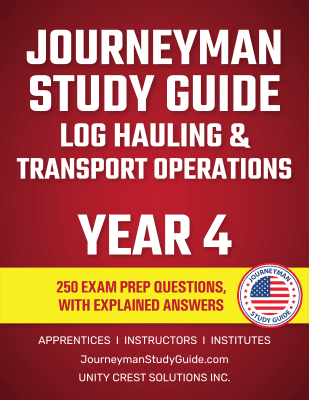
Get clear explanations behind every answer, perfect for deeper learning and more thorough exam preparation.

What Is Log Hauling & Transport Operations?
Log Hauling & Transport Operations is a vital part of the forestry and wood products industry in the United States. Professionals in this trade are responsible for the safe and efficient transportation of harvested logs from forest sites to sawmills, paper mills, and processing facilities. This often involves navigating rural and mountainous terrain with specialized equipment, including log trucks, self-loaders, and off-road haul vehicles.
Key Responsibilities
As a Log Hauling & Transport Operator, your daily duties may include:
Skills and Traits for Success
To succeed in this trade, you’ll need more than just a CDL. Employers look for professionals who demonstrate:
Where Log Haulers Work
Log hauling is a specialized trade concentrated in forested states like Oregon, Washington, Montana, Georgia, and Alabama. Major employers include:
Why Choose This Career?
High Demand for Skilled Drivers
The shortage of CDL drivers across America is even more pronounced in logging operations due to the specialized nature of the work. This makes experienced log haulers highly sought after in timber-rich regions.
Competitive Pay
Because of the physical demands, skill requirements, and rural locations, log haulers can earn significantly more than general freight drivers. According to ZipRecruiter, experienced log haulers in states like Oregon and Arkansas can earn $65,000 to $90,000 annually.
Outdoor, Active Work
This trade is ideal for individuals who prefer rugged outdoor work over sitting behind a desk. It blends heavy equipment handling, truck driving, and logistics into one dynamic role.
Opportunities for Growth
With the right experience and credentials, you can move into roles like Fleet Manager, Log Yard Supervisor, or Owner-Operator. Some choose to open their own hauling business and contract with mills or forestry companies.
Training and Certification
To enter the field, you'll typically need:
Unions and Associations
Joining a union like the International Brotherhood of Teamsters (IBT) can provide access to negotiated pay, benefits, and safer working conditions. Industry groups such as the American Loggers Council (ALC) and the Southern Loggers Cooperative are also excellent resources for training updates and equipment support.
Launch Your Career in Log Hauling & Transport!
Start your path to becoming a skilled log hauler with our Q&A guides, Q/A Explanations, and Online Tests. These tools will help you build confidence, stay safe, and succeed in one of America’s most essential industries.
What to Expect on the Certification Exam
The Log Hauling & Transport Operations certification exam is designed to evaluate your readiness to safely and efficiently transport timber and forest products across rural, mountainous, and industrial terrains. The exam measures your understanding of vehicle operation, federal and state safety regulations, route planning, and load management—critical skills for success in this high-responsibility role. Certification is often recognized or administered by organizations such as the National Center for Construction Education and Research (NCCER), Forest Resources Association (FRA), and some state-level forestry commissions.
Passing this exam can increase job prospects with leading U.S. timber transport companies, such as Weyerhaeuser, Georgia-Pacific, and Sierra Pacific Industries. Whether you plan to work in the Pacific Northwest, the Southeast, or the Great Lakes region, certification shows you are committed to professional standards.
Exam Format
Most Log Hauling & Transport Operations certification exams follow a multiple-choice format and are administered either in-person or online through accredited training providers or employers.
Exam Structure:
Key Topics Covered:
Topics You’ll Be Tested On
1. Federal Motor Carrier Safety Regulations (FMCSR)
You’ll need to know Department of Transportation (DOT) regulations regarding Hours of Service, electronic logging devices (ELDs), and drug testing requirements. Questions may reference compliance practices from organizations like the Federal Motor Carrier Safety Administration (FMCSA).
2. Load Securement & Weight Management
Proper load balancing is essential in log hauling. Expect scenarios that test your ability to identify securement techniques under 49 CFR Part 393, including the use of binders, wrappers, and stakes.
3. Vehicle Operation & Inspection
This section includes pre-trip inspections, air brake testing, tire tread requirements, and understanding how to troubleshoot vehicle systems. Questions may follow U.S. Commercial Driver’s License (CDL) Class A standards.
4. Terrain Navigation & Specialized Routes
Log haulers often navigate steep, unpaved, or icy roads. You’ll be asked to interpret terrain maps, weather advisories, and hazard signs. Real-world examples may be drawn from operations in the Appalachian Mountains, Rocky Mountains, or Mississippi River Basin.
5. Emergency Response & Safety Protocols
You’ll be tested on how to respond to incidents such as brake failure, jackknifing, or overturned loads. Questions may include OSHA emergency protocols or guidelines from the U.S. Forest Service.
Passing Requirements
To successfully pass the Log Hauling & Transport Operations certification exam, most programs require:
Passing the exam can qualify you for job placement or advancement in companies such as PotlatchDeltic, Green Diamond Resource Company, or through union halls affiliated with the International Brotherhood of Teamsters Local 174 or Operating Engineers Local 302.
Tips to Prepare for the Exam
Study with Targeted Materials
Use our Q&A Guides and Q&A with Explanations to cover everything from weight regulations to winter driving techniques. Our study materials are specifically built to help you retain what matters most on test day.
Practice with Online Tests
Our Online Practice Tests simulate the exam environment and help you get comfortable with time constraints and multiple-choice question formats. With real-time scoring and feedback, you can track your progress and focus on weak areas.
Get Hands-On Experience
Nothing beats real-world training. Whether through a local logging company, vocational school like Hocking College in Ohio or Oregon State’s Forest Engineering program, or on-the-job CDL hauling, practical experience reinforces theory. Some employers even sponsor pre-certification boot camps.
Ready to Pass the Log Hauling & Transport Certification Exam?
Start studying with our Q&A guides, explanation-enhanced versions, and interactive online tests—your tools for a safer, smarter transport career.
What Types of Questions Are on the Certification Exam?
The certification exam for Log Hauling & Transport Operations includes a combination of multiple-choice, scenario-based, and practical questions to assess your technical expertise and decision-making abilities. These questions cover the full range of skills needed in this profession, from knowledge of safety regulations and vehicle operations to problem-solving in real-world logging conditions.
Common Question Formats
Sample Questions
1. Federal Motor Carrier Safety Regulations (FMCSR)
Which of the following regulations pertains to Hours of Service (HOS) for log haulers?
2. Load Securement & Weight Management
What is the maximum load weight for a tandem axle trailer hauling logs on interstate highways in the U.S.?
3. Vehicle Inspection & Maintenance
Before starting your route, what is the first step in performing a pre-trip inspection on a logging truck?
4. Emergency Response & Safety Protocols
In the event of a brake failure while hauling logs, which of the following is the best course of action?
5. Route Navigation & Terrain Challenges
Which of the following factors should be considered when selecting a route for hauling logs through mountainous terrain?
Tips for Answering Exam Questions
1. Read Carefully
Take your time to read each question thoroughly. Pay attention to key phrases like "most effective," "best option," or "primary concern," as they can change the answer choice.
2. Use the Process of Elimination
If you’re unsure about a question, use the process of elimination to narrow down your choices. Remove the obviously incorrect answers first, and focus on the remaining options.
3. Practice Under Timed Conditions
Familiarize yourself with the time constraints of the actual exam by practicing under timed conditions. This will help you improve your time management skills and ensure you complete all questions.
4. Focus on Safety and Legal Protocols
Safety is paramount in the log hauling industry, and questions will often revolve around safety protocols, legal weight limits, and emergency procedures. Be sure to review FMCSA regulations, OSHA guidelines, and state-specific transportation laws that apply to log haulers.
Practice Questions for Better Preparation
Our Q&A with Explanation guide is designed to help you thoroughly prepare for your certification exam. With detailed explanations for each question, you'll be able to understand the reasoning behind each correct answer. Additionally, our Online Practice Tests simulate real exam conditions and provide instant feedback, helping you pinpoint areas that need further study.
Prepare for Your Certification Today!
Ensure your success on the Log Hauling & Transport Operations certification exam with our expert-designed study materials. Our Q&A guides, detailed Q&A explanations, and interactive online tests will give you the knowledge and confidence to pass your exam and start your career with top companies like Weyerhaeuser, Sierra Pacific Industries, and PotlatchDeltic.
Morning: Preparing for the Day
The day starts early for log haulers, with a focus on preparation and safety. A typical morning involves several important tasks that ensure the day’s work proceeds smoothly.
Midday: Hauling and Troubleshooting
Once the load is secured and the truck is ready, the real work begins. Log haulers spend much of their day on the road, navigating various challenges and ensuring the timely delivery of their cargo.
Afternoon: Unloading and Post-Trip Procedures
As the day winds down, log haulers complete their delivery and prepare for the next day. This phase involves unloading, reporting, and completing the necessary documentation.
Typical Work Environments
Log haulers operate in a variety of settings, including:
Challenges and Rewards
Challenges:
Rewards:
Earning Potential
The earning potential in log hauling and transport operations can vary based on experience, location, and specialization. The following salary ranges provide a general idea of what to expect at different stages of your career:
Regional Salary Differences
Salary expectations can differ greatly depending on where you’re working. Here’s a breakdown of how location can affect pay:
Career Growth Opportunities
Log hauling and transport operations offer numerous paths for advancement, from driving to operations management. Here are some of the key career growth opportunities in the field:
The Benefits of Certification
Certifications in log hauling and transport operations can help boost career prospects and earning potential. Consider the following benefits:
Success Stories
Advance Your Career in Log Hauling Today!
Prepare for your next career move with our expert-designed study guides, detailed Q&A explanations, and interactive online tests. Our resources are tailored to help you succeed and take your career to the next level.
General Wage Ranges
Wages in the log hauling and transport operations industry vary depending on experience, role, location, and specialization. Drivers, mechanics, and logistics coordinators can all earn a stable income with room for growth. Here’s a breakdown of common wage brackets:
Regional Salary Differences
The region where you work can significantly impact your pay. Log haulers who operate in areas with high timber production or stricter compliance standards often earn more.
Factors That Impact Wages
A number of key elements can influence how much you earn in log hauling and transport operations. Understanding these can help you plan your career path and boost your earnings.
1. Certifications & Education
Holding a Class A CDL is the foundation for most log hauling jobs. However, advanced endorsements—such as HazMat or Doubles/Triples—can increase pay potential. Many drivers pursue training through programs like:
2. Union Membership
Joining a union often leads to better pay, health benefits, and job protections. Haulers who are members of the International Brotherhood of Teamsters (IBT) or the International Union of Operating Engineers (IUOE) generally report higher wages and improved working conditions.
3. Company Size & Contract Type
Large corporations like Weyerhaeuser, Boise Cascade, and Resolute Forest Products offer more structured pay scales and benefits than smaller, independent outfits. However, independent contractors and owner-operators can negotiate higher rates—especially on specialized routes or in high-demand seasons.
4. Experience & Safety Record
Drivers with five or more years of experience—and a clean driving record—are eligible for premium pay. Haulers who invest in continued training and safety courses through providers like Smith System or JJ Keller are also more likely to receive raises and leadership opportunities.
Earnings by Employer Type
Depending on the company and its contract structure, wages can differ substantially. Here’s what professionals can expect by employer type:
Opportunities for Wage Growth
Wage increases in the industry are achievable through targeted skill development and career planning. Consider these strategies:
1. Pursue Specialized Certifications
Endorsements for HazMat, oversized loads, or tanker operation can boost your income by 10–20%. Organizations like the Federal Motor Carrier Safety Administration (FMCSA) and National Safety Council (NSC) offer accredited programs.
2. Gain Technical Skills
Drivers with basic mechanical knowledge or who are certified diesel mechanics can earn higher salaries or take on dual roles. Schools like Universal Technical Institute (UTI) and Lincoln Tech offer hands-on transport mechanic programs.
3. Join a Union or Co-Op
Unionized workers not only earn more, they also receive better insurance, retirement, and legal protection. In some regions, transport co-ops allow owner-operators to share costs while securing larger contracts.
4. Start a Hauling Business
Many experienced drivers eventually start their own businesses. With one or more trucks, plus knowledge of the supply chain, they can earn significantly more than wage-based drivers—especially in high-demand logging states like Oregon, Alabama, and Maine.
Boost Your Earning Potential in Log Hauling!
Use our Q&A Guides, Q/A Explanations, and Online Tests to prepare for the certifications that employers value most. Advance your skill set, maximize your income, and take full control of your career path.
Must-Have Equipment for the Trade
Log hauling and transport operations demand rugged and reliable tools. Whether you're navigating mountain switchbacks or offloading timber at a mill, the right gear ensures safety, efficiency, and regulatory compliance.
Heavy-Duty Trucks and Trailers
Professionals in this field commonly operate Class 8 trucks such as:
Logging trailers include:
Load Securement Tools
Securing timber for transport is both a safety and legal requirement. Essential tools include:
Many of these are sourced through suppliers like Northern Tool + Equipment, Grainger, and Harbor Freight.
Safety Gear and Accessories
To meet DOT and OSHA standards, drivers and loaders need:
Trusted U.S. suppliers include MSC Industrial Supply, Fastenal, and Uline.
Navigation and Communication Tools
Log haulers often travel in remote terrain. Staying connected and informed is vital.
Fleet managers may also use Samsara or Geotab telematics systems to monitor vehicle performance, fuel use, and driver hours.
Top Resources for Learning and Certification
Trade Schools and Training Centers
These institutions offer hands-on CDL and specialized log hauling programs:
Unions and Trade Associations
Being part of a union provides access to training, support, and better wages:
Material & Equipment Suppliers
Reliable equipment and supply chains are vital. Here are top suppliers:
For fleet and repair parts:
Budget-Friendly Tips for New Workers
Starting out can be expensive. Here’s how to build your toolkit without breaking the bank:
Why the Right Tools Matter
Using the proper equipment doesn’t just ensure job success—it protects your safety and your bottom line. DOT violations and equipment failures can cost thousands in fines or downtime. Well-maintained gear backed by trusted U.S. suppliers enhances your reputation and long-term career potential in this demanding industry.
Get the Tools to Get Ahead!
Start mastering your trade with our Q&A guides, Q/A Explanations, and Online Tests tailored for log hauling and transport operations. Prepare for certification, boost your confidence, and take control of your career.
Where to Learn Log Hauling & Transport Operations
For those looking to enter or advance in the log hauling and transport industry, formal education and hands-on training are essential. Across the U.S., several institutions offer specialized programs that cover commercial driving, forestry logistics, and heavy equipment operations tailored to timber transport. From technical schools to major universities, these programs help you gain the skills needed to navigate forest roads, comply with DOT regulations, and manage heavy log loads safely and efficiently.
Featured Training Institutions
Types of Education Programs
The log hauling field combines transportation skills with knowledge of forestry and logistics. Educational programs are offered in various formats:
Certificate Programs
Short-term programs (typically 6–12 weeks) offered by technical colleges or private truck driving schools. These focus on:
Associate Degrees
Two-year degrees in heavy equipment operation or forestry logistics that combine classroom learning with real-world training. Schools like Alamance Community College (NC) and Southeast Kentucky Community & Technical College provide associate degree options in transportation technology with rural industry focus.
Workforce Development Workshops
Organizations like the American Loggers Council and Forest Resources Association offer targeted workshops on regulatory updates, safety in timber hauling, and sustainable forestry logistics.
On-the-Job Training & Apprenticeships
Union-sponsored apprenticeships through groups like the International Brotherhood of Teamsters or Operating Engineers Local 701 often include paid training in hauling equipment, log loaders, and off-road truck driving.
What to Expect in a Training Program
Whether through a community college or private institute, most training programs include both classroom instruction and practical driving experience. Here’s what you’ll typically cover:
How to Choose the Right Program
When selecting a school or training provider, keep the following in mind:
Featured Institutions
Ready to Advance Your Career?
Our Q&A guides, Q&A Explanations, and Online Test are designed to help you prepare for success in log hauling and transport operations. Whether you're getting your first CDL or preparing for advanced licensing and industry exams, our tools will keep you one step ahead.
Why Join a Union or Connect with Leading Employers?
In the log hauling and transport operations industry, unions and established employers play a vital role in protecting workers, promoting safety, and offering access to competitive wages and long-term employment. For commercial drivers, heavy equipment operators, and support technicians, joining a union or working with a well-known forestry employer can significantly improve job stability and career growth.
Benefits of Joining a Union
Union representation is especially valuable in a high-risk, physically demanding field like log hauling. Here’s what union members can expect:
Higher Pay and Benefits
Unionized drivers often earn more than their non-union counterparts, with better health insurance, pension contributions, and overtime pay. For example, union drivers in logging-rich states like Oregon and Washington consistently earn above the national average.
Safer Working Conditions
Unions such as the International Brotherhood of Teamsters and Operating Engineers Local 701 advocate for safer forest road standards, improved vehicle maintenance schedules, and mandatory safety equipment on logging trucks.
Training and Certifications
Many unions provide specialized education programs, including:
Legal and Career Support
Unions fight for fair treatment, help resolve disputes with employers, and support workers during economic downturns. They also provide access to job boards, mentorship, and apprenticeship programs.
Top Unions for Log Haulers
If you’re looking to join a union in the logging transport industry, these organizations are among the most active in the U.S.:
Connecting with Major Employers
Building a career in log hauling is easier when you work with reputable employers who value safety, sustainability, and long-term workforce development. Across the U.S., several companies lead the way in forest product transport and logistics.
Top Employers in Timber Transport
Tips for Finding Work in Log Hauling
Breaking into the field or advancing your career can be easier with a smart approach. Here are a few proven strategies:
Attend Forestry & Trucking Job Fairs
Events like the Southern Forest Products Expo and Great American Trucking Show (Dallas, TX) connect job seekers with top forestry employers.
Get Certified
A Class A CDL is essential. Employers often prefer drivers with endorsements like:
Also consider OSHA safety certifications or log loader operator courses offered through union partnerships or technical schools.
Use Union Job Boards
Organizations like the Teamsters Freight Division and IUOE Local Hiring Halls offer exclusive job listings and direct placement support for qualified drivers and mechanics.
Apply to Regional Employers
Timber regions such as the Pacific Northwest, Deep South, and Northern Michigan are always in need of reliable haulers. Applying directly to companies in these regions increases your odds of long-term employment.
Ready to Get Hired?
Our Online Tests, Q&A guides, and Q&A with Explanations are designed to help you prepare for employment in log hauling and transport operations. Whether you're seeking a union job or applying to a major forestry employer, our study tools will sharpen your skills and improve your job-readiness.
How to Stay Ahead in the Industry
Log hauling and transport operations are evolving quickly, driven by changes in forest management practices, environmental regulations, and technology in heavy-duty transportation. Whether you're a Class A CDL driver, heavy equipment operator, or logistics coordinator, staying ahead requires ongoing learning, industry awareness, and adaptability.
Emerging Trends in Log Hauling
The U.S. timber industry is being reshaped by a combination of technology, environmental policy, and growing demand for sustainably sourced products. Understanding these trends is key to career success.
1. Telematics and Fleet Tracking
More employers are adopting GPS and real-time vehicle monitoring systems like Samsara and Geotab to track performance, reduce fuel costs, and ensure safety compliance.
2. Environmental Regulations
States like California and Oregon are enforcing stricter emissions and weight-limit rules, requiring drivers to understand green fleet operations and load balancing.
3. Autonomous & Assisted Driving
While full automation is years away for rural routes, advanced driver-assistance systems (ADAS) are being tested in off-highway hauling by companies like John Deere Forestry and PACCAR.
4. Digitized Logistics
Forestry companies are moving toward digital load tracking and dispatch platforms, such as Trimble Forestry and LogForce, which require haulers to have basic digital literacy.
Best Practices for Professional Growth
To stay competitive in log hauling, professionals should invest in practical skills, build strong networks, and focus on certification and safety education.
Continuing Education & CDL Endorsements
Earning a Class A CDL with endorsements such as:
Attending Forestry and Trucking Events
Events like the Southern Forest Products Expo, Great American Trucking Show (Dallas, TX), and Pacific Logging Congress provide opportunities to connect with employers and learn about industry innovations.
Building a Log Hauling Portfolio
Documenting your driving history, safety record, load types hauled, and certifications helps you stand out. Include photos of rigs operated, forest terrain experience, and any route planning responsibilities.
Joining a Union
Union membership through organizations like the International Brotherhood of Teamsters or Operating Engineers Local 701 provides access to apprenticeships, job boards, and exclusive safety training workshops.
Challenges and Opportunities
Key Challenges
Career Opportunities
Sustainability in Timber Transport
As the forestry industry focuses more on sustainability, so does the transport side. Haulers are expected to contribute to these efforts in the following ways:
Eco-Friendly Equipment
Employers like Weyerhaeuser and Sierra Pacific Industries are investing in cleaner-burning diesel engines and hybrid vehicles.
Reduced Emissions
Idling limits, aerodynamic trailers, and alternative fuels like biodiesel are being adopted across fleets.
Smart Routing
Digital tools help plan efficient routes that reduce backhauls and unnecessary fuel consumption, benefiting both the environment and the bottom line.
Why Staying Ahead Matters
In log hauling and timber transport, those who stay informed, upskilled, and responsive to change will have the best access to secure jobs, union support, and growth opportunities. Whether you're entering the field or looking to move up, now is the time to future-proof your career with education, certification, and a proactive mindset.
Stay Competitive in Log Hauling & Transport Operations!
Enhance your skills and industry knowledge with our Q&A guides, Q&A with Explanations, and Online Tests built to help you succeed.
Get clear explanations behind every answer, perfect for deeper learning and more thorough exam preparation.
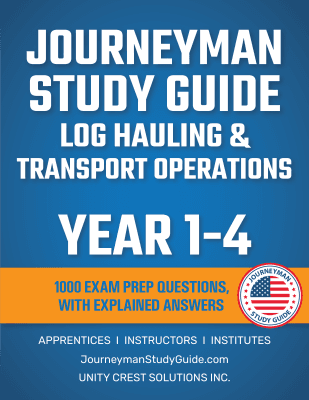
Quick and easy practice to test your knowledge anytime, anywhere—ideal for simple, on-the-go preparation.