Questions, Answers, & Explanations
Get clear explanations behind every answer, perfect for deeper learning and more thorough exam preparation.

As an aspiring automotive service technician, you have chosen a profession that is important for society's function and for keeping people safe. Automotive service technicians perform inspections, servicing, and repairs on mechanical and electronic automotive systems. In many cases, individuals also explore closely related vehicle repair fields to strengthen their understanding through this broader vehicle systems learning direction.
Vehicles today have complex mechanical structures and include numerous electronic and computer systems along with sensors. Service technicians must diagnose and analyze systems when they are malfunctioning, which can involve systems such as the engine, brakes, electrical, and other components.
Automotive service technicians can work at dealerships, independent automotive repair shops, fleet maintenance functions, or specialized automotive servicing. They learn theory and the practical aspects of automotive repair.
This guide is for service technicians to learn and review theory and is an important step towards licensing and other certifications as may be required to work in the automotive service industry.
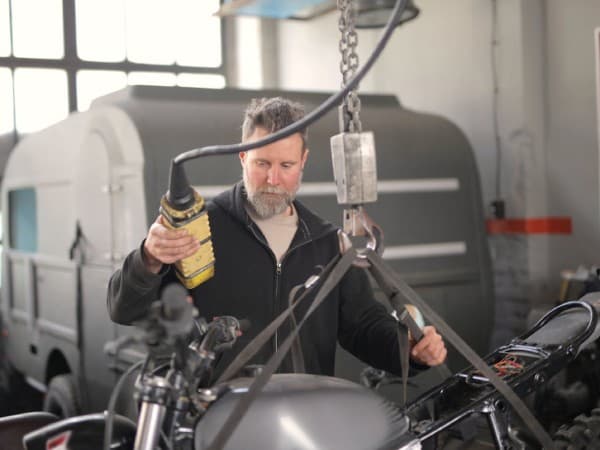
Automotive service technicians are the qualified professionals who carry out the repair and maintenance service to keep a vehicle functioning operationally and safely. They conduct vehicle inspections, diagnoses, and repairs, as well as provide preventative maintenance.
Automotive service technicians are specialists in diagnosing and repairing numerous vehicle systems. Some of these are the steering and suspension, braking and engine systems, transmission systems, and the vehicle's electrical systems. Other technicians work on vehicle systems that are controlled and monitored by computers and may involve advanced diagnostics and other on-board computers.
With the advancement of technology in the automobile manufacturing industry, there are also more technicians. Automotive service technicians now need to also understand thoughts of hybrids, electronic modules, and advanced driver assistance systems. This translates to the fact that automotive service technicians are required to possess a blend of modern tools and software with traditional mechanic skills.
The journeyman automotive service technician study guide assists students in preparing for the major systems of the vehicle and the maintenance practices technicians perform in the automotive repair setting.
Many automotive service technicians begin their journey with vocational training at community colleges and technical schools that offer automotive technology programs. These programs teach students how to examine crucial parts of vehicles, including the engine, electrical systems, brakes, and other components.
Most training programs offer experience using tools and automotive diagnostics and services found in professional automotive repair shops. Students will also learn how to use repair manuals, follow manufacturer service recommendations, and test various vehicle components.
Some people begin their training in automotive repair shops as assistants to gain experience, and technicians will pass on their knowledge to them. Later, technicians may receive further training in a specific area of automotive repair.
The automobile service trade has a history of promoting technical training and apprenticeships in collaboration with the U.S. Department of Labor. Many individuals also gain exposure to different types of vehicle servicing environments, which can be better understood through this expanded mechanical work environment overview.
Most of the technical aids included in the training and experience are found in the journeyman automotive service technician study guide.
Knowledge and skills assessments for automotive service technicians examine knowledge, both practical and theoretical, and how to use various automotive diagnostics. Written tests may cover engine operations, electrical systems, brakes, and general vehicle maintenance.
Technicians may face questions related to troubleshooting and repair, interpreting diagnostic codes, and identifying faulty components. An understanding of repair and safety practices is essential.
Evaluations can include diagnosing problems with vehicles, troubleshooting, using scan tools, performing maintenance, repairing problems, and showing others how to do it.
Reading the Automotive Journeyman Service Technician Study Guide assists students in forming concepts, linking them to a specific field of interest, clarifying a mental image of what should be done, and providing them with the tools to study for a mental image.
Automotive Service Technician Study Guides help the learner to grasp the basics of repairing and maintaining vehicles. Rather than teaching a learner how to obtain a certificate, the guide prepares the learner to comprehend what the vehicle's complicated systems are and how to identify the problems.
The topics can include knowledge required for understanding engine performance, components and systems of a vehicle, the drivetrain, brake and maintenance systems, and preventive maintenance. The guide will also include example repair problems a technician may encounter when working with the vehicle.
The study guide is a great tool to familiarize the learner with the service tasks they are expected to perform at the start of an automotive service job and with the repair skills they will be required to possess.
Automotive service technicians possess numerous career options. Most of these technicians work for a dealership and go to an independent repair shop and help diagnose and repair customers' cars.
Some technicians work exclusively on engine work, transmission work, or electrical repair. Some work in fleet maintenance, where they service the vehicles of transport companies, government agencies, or other commercial vehicles.
After a period of time, technicians may advance to service manager, diagnostics expert, or shop supervisor. Some go on to start their own independent repair businesses.
As vehicles become more technologically advanced, the automotive service technicians remain critical in helping keep the transport system safe and reliable.
Automotive repair professionals must keep up to date with the standards of the industry and new technology in vehicles. Technical training centers and manufacturers provide materials to help technicians stay current with new repair methods.
Safety practices in automotive repair are supported, among others, by the Occupational Safety and Health Administration.
Technicians are provided with tools and training on the latest diagnostic technologies and automotive repair and technologies to ensure their continued safety, comfort, and education. Those expanding into more specialized vehicle refinishing or surface repair areas may also benefit from this advanced repair process insight.
A new entrant to the automotive service field may have general mechanical knowledge but limited experience working with modern diagnostic tools or computerized vehicle systems. Early challenges may include learning how to interpret diagnostic codes, operate scan tools, and identify faults within complex vehicle systems.
Entry-level workers often begin by assisting experienced technicians with maintenance tasks such as oil changes, tire service, and basic inspections. With continued practice and training, they gradually develop the skills required to diagnose and repair vehicle systems independently.
Over time, entry-level technicians gain confidence in troubleshooting vehicle problems and performing safe repair procedures.
An experienced automotive service technician may have years of experience diagnosing and repairing mechanical issues in a wide range of vehicles. However, modern automotive systems continue to evolve, requiring technicians to stay updated with new technologies such as hybrid powertrains and advanced electronic control systems.
Experienced technicians often mentor newer workers and help oversee complex diagnostic tasks within repair facilities. Their knowledge allows them to identify mechanical and electronic issues efficiently and implement effective repair strategies.
Continuous learning helps experienced professionals remain effective as automotive technology continues to advance.
Automotive service technicians inspect, maintain, and repair vehicle systems to ensure safe and reliable operation.
Training programs typically take one to two years, followed by hands-on experience gained through employment or apprenticeship.
Important skills include mechanical troubleshooting, electrical diagnostics, problem-solving, and familiarity with automotive tools and equipment.
Technicians commonly work in dealership service departments, independent repair shops, or fleet maintenance facilities.
No. The study guide is intended as a supportive learning resource and does not replace formal training programs or certification requirements.
Get clear explanations behind every answer, perfect for deeper learning and more thorough exam preparation.
Quick and easy practice to test your knowledge anytime, anywhere—ideal for simple, on-the-go preparation.