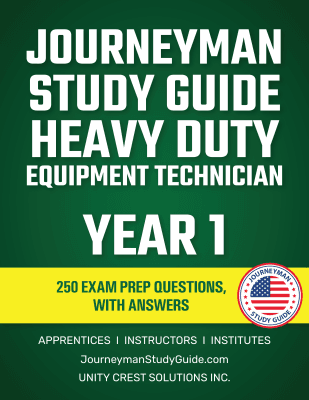
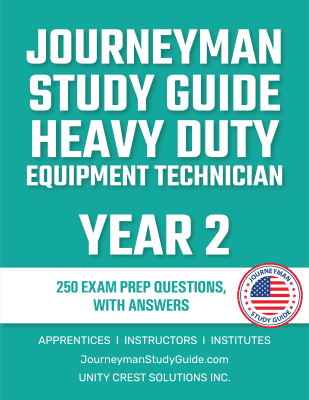
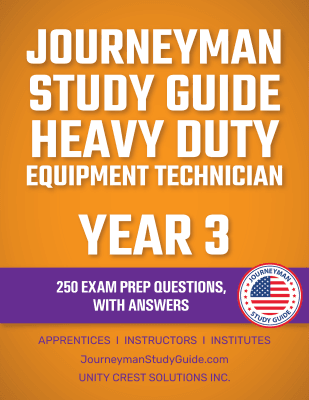
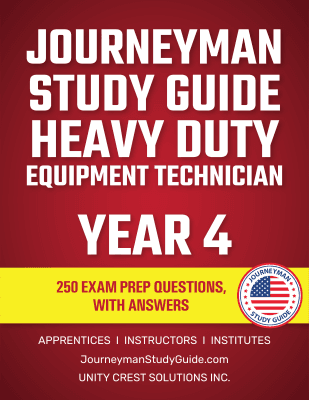
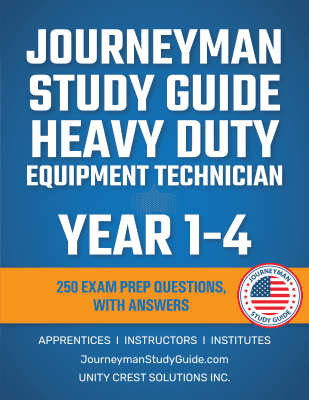
Questions, Answers, & Explanations
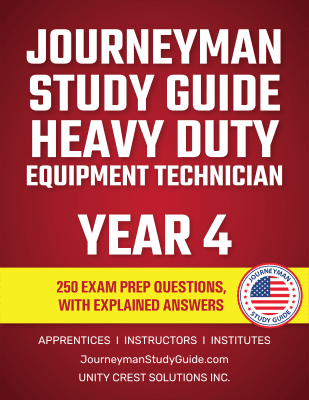
Get clear explanations behind every answer, perfect for deeper learning and more thorough exam preparation.

What is a Heavy Duty Equipment Technician?
A Heavy Duty Equipment Technician specializes in diagnosing, repairing, and maintaining heavy machinery used in industries such as construction, mining, transportation, and agriculture. These skilled professionals ensure that equipment such as bulldozers, excavators, loaders, and transport trucks remain operational, minimizing downtime and maximizing efficiency on job sites.
Working in this trade requires expertise in mechanical, electrical, hydraulic, and computerized systems. As technology advances, technicians must stay up to date with modern diagnostic tools and equipment, making this a dynamic and evolving field.
Key Responsibilities
Heavy Duty Equipment Technicians handle various responsibilities to keep machinery in peak condition. Their tasks include:
Skills and Traits for Success
A successful Heavy Duty Equipment Technician must possess:
Industries Where Heavy Duty Equipment Technicians Thrive
This trade is in high demand across multiple industries, including:
Why Choose This Career?
Becoming a Heavy Duty Equipment Technician is an excellent career choice for those who enjoy working with their hands, solving mechanical problems, and ensuring that essential industries run smoothly. Here’s why this trade is a great path:
What to Expect on the Heavy Duty Equipment Technician Certification Exam
The Heavy Duty Equipment Technician Certification Exam ensures that technicians meet U.S. industry standards for diagnosing, repairing, and maintaining heavy-duty machinery. Certification is often required by American employers, unions like the International Association of Machinists and Aerospace Workers (IAM), and regulatory agencies. Passing this exam proves your technical expertise, mechanical knowledge, and commitment to workplace safety—key factors that employers look for in the industry.
Exam Format
The certification exam assesses both theoretical knowledge and practical skills. Here’s what to expect:
Key Topics Covered
The exam is divided into sections that test essential knowledge areas:
Passing Requirements
Most certifying bodies require a minimum passing score of 70% or higher. Each section contributes to your overall score, so a strong understanding of all topics is necessary.
Tips for Preparing Effectively
What Types of Questions Are on the Heavy Duty Equipment Technician Certification Exam?
The Heavy Duty Equipment Technician Certification Exam includes a variety of question types to assess your mechanical knowledge, troubleshooting skills, and safety awareness. Understanding the format of these questions will help you prepare effectively and boost your exam performance.
Common Question Formats
Here’s an overview of the types of questions you can expect:
Sample Questions
Question: "Which OSHA regulation requires technicians to wear eye protection when working with hydraulic fluid?"
Question: "A technician notices excessive black smoke coming from a diesel engine’s exhaust. What is the most likely cause?"
Question: "What is the function of a hydraulic relief valve?"
Question: "When inspecting a heavy-duty transmission, a technician finds metal shavings in the oil pan. What is the most likely issue?"
Question: "A hydraulic pump outputs 12 gallons per minute (GPM) at 2000 PSI. If the efficiency of the pump is 85%, what is the actual GPM?"
Tips for Answering Exam Questions
Practice Questions for Better Preparation
Studying with practice exams is one of the best ways to boost confidence and improve performance.
Why Use Our Study Materials?
Our Q&A with Explanations helps you understand not just the answers, but also why they are correct. Plus, our Online Tests provide real-time scoring to track your progress.
What Is It Like to Work as a Heavy Duty Equipment Technician?
A Heavy Duty Equipment Technician plays a crucial role in maintaining and repairing construction, agricultural, and industrial machinery. From bulldozers and excavators to haul trucks and cranes, technicians ensure that heavy equipment runs safely and efficiently. Each day presents unique challenges, requiring a mix of technical expertise, mechanical problem-solving, and precision.
Morning: Preparing for the Workday
A technician’s day starts with equipment assessments and planning:
Midday: Diagnosing and Repairing Heavy Equipment
The core of the workday involves hands-on repairs and system diagnostics:
Afternoon: Completing Tasks and Documentation
As the day wraps up, technicians focus on record-keeping and final quality checks:
Typical Work Environments
Heavy Duty Equipment Technicians work in varied industries and settings:
Tools and Equipment Used Daily
Challenges and Rewards
Challenges:
Rewards:
What Are the Long-Term Benefits of a Career as a Heavy Duty Equipment Technician?
The Heavy Duty Equipment Technician trade offers strong earning potential, job security, and career advancement opportunities. Whether you start as an apprentice or move into management, this field provides steady employment and professional growth.
Earning Potential in Heavy Equipment Repair
Wages vary based on experience, certifications, and industry specialization:
Regional Salary Differences
Earnings depend on industry demand and location:
Career Growth Opportunities
The Benefits of Certification
Certification enhances job stability and professional credibility:
Why Choose Heavy Duty Equipment Repair as a Career?
How Much Can You Earn as a Heavy Duty Equipment Technician?
Heavy Duty Equipment Technicians are in high demand across the U.S., with strong earning potential based on experience, industry specialization, and certification level. Whether you’re starting as an apprentice or working toward a leadership role, understanding wage expectations can help you plan for long-term career success.
General Wage Ranges
Here’s a breakdown of typical wages for Heavy Duty Equipment Technicians:
Regional Salary Differences
Heavy Duty Equipment Technician salaries vary across different regions:
Factors That Impact Wages
Several factors influence wages for Heavy Duty Equipment Technicians:
Earnings by Industry
Salaries also depend on the sector:
Opportunities for Wage Growth
To increase earning potential:
Why Heavy Duty Equipment Repair Is a High-Paying Career
This trade offers financial security, career growth, and access to advanced technology. By gaining experience, earning certifications, and specializing, technicians can significantly increase their wages over time.
What Tools and Resources Do Heavy Duty Equipment Technicians Need to Succeed?
Heavy Duty Equipment Technicians rely on specialized tools, diagnostic technology, and educational resources to excel in their field. Whether troubleshooting a hydraulic failure or replacing an electronic control unit (ECU), having the right equipment is essential.
Essential Tools for Heavy Duty Technicians
Recommended Learning Resources
Suppliers and Material Resources
Why the Right Tools Matter
Having high-quality tools and up-to-date resources improves efficiency, safety, and career advancement.
Looking for the Best Study Materials?
Get certification-ready with our study guides, Q&A resources, and interactive online tests designed for Heavy Duty Equipment Technicians.
Shop Study Materials Now →
Page 8: Education Programs – Heavy Duty Equipment Technician
Where Can You Learn Heavy Duty Equipment Repair?
Becoming a skilled Heavy Duty Equipment Technician requires both hands-on experience and technical knowledge. Whether you're beginning as an apprentice or looking to enhance your skills, choosing the right training program is crucial for long-term success. Across the U.S., trade schools, apprenticeships, and manufacturer-specific training programs provide the education needed to thrive in this demanding industry.
Types of Heavy Duty Equipment Education Programs
What to Expect in a Heavy Equipment Training Program
How to Choose the Right Program
Featured Institutions
Why Education Matters in Heavy Duty Equipment Repair
Investing in the right training program leads to:
Where Can You Learn Heavy Duty Equipment Repair?
Becoming a skilled Heavy Duty Equipment Technician requires both hands-on experience and technical knowledge. Whether you're beginning as an apprentice or looking to enhance your skills, choosing the right training program is crucial for long-term success. Across the U.S., trade schools, apprenticeships, and manufacturer-specific training programs provide the education needed to thrive in this demanding industry.
Types of Heavy Duty Equipment Education Programs
What to Expect in a Heavy Equipment Training Program
How to Choose the Right Program
Featured Institutions
Why Education Matters in Heavy Duty Equipment Repair
Investing in the right training program leads to:
Why Join a Union or Connect with Employers?
Joining a union or securing employment with a reputable company provides:
Benefits of Joining a Union
Top Unions for Heavy Duty Equipment Technicians
Connecting with Employers
Tips for Finding Work Through Unions & Employers
Featured Unions & Employers
Union Training Centers
Reputable Employers
Why Unions & Employers Matter
Leveraging union connections and working with reputable employers provides:
How to Stay Ahead in the Heavy Duty Equipment Industry
The heavy-duty equipment industry is constantly evolving with advancements in technology, sustainability practices, and safety standards. Staying competitive requires technicians to continually update their skills, adapt to new systems, and embrace innovation. Whether you're just beginning your career or are an experienced technician, understanding emerging trends and best practices will help you thrive in this dynamic trade.
Emerging Trends in Heavy Duty Equipment
Best Practices for Professional Growth
Challenges and Opportunities
Sustainability in Practice
Why Staying Ahead Matters
The heavy-duty equipment industry is at the forefront of technological innovation and environmental responsibility. By staying informed about advancements and honing your skills, you position yourself as a leader in the trade. The more you invest in your professional development, the more opportunities you unlock for career growth and long-term success.
Get clear explanations behind every answer, perfect for deeper learning and more thorough exam preparation.
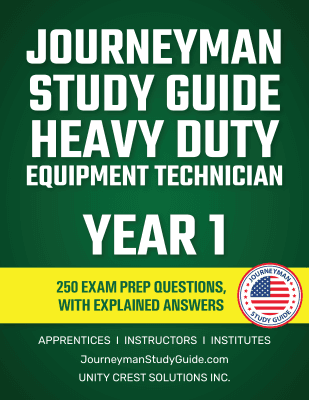
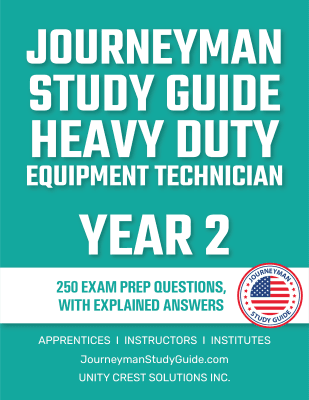
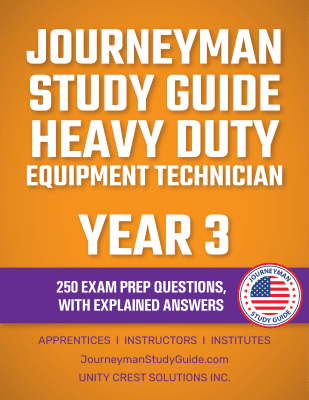
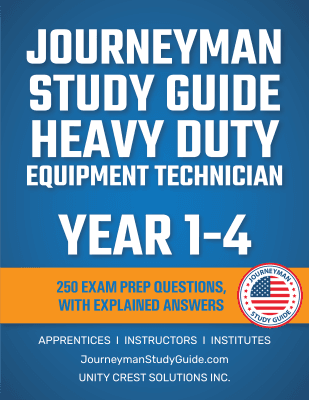
Quick and easy practice to test your knowledge anytime, anywhere—ideal for simple, on-the-go preparation.