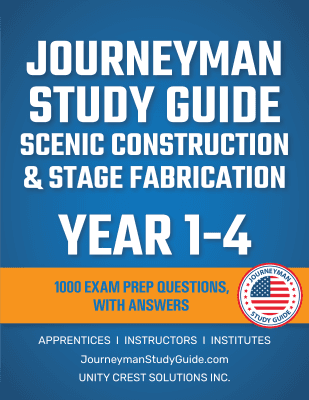
Questions, Answers, & Explanations
Get clear explanations behind every answer, perfect for deeper learning and more thorough exam preparation.

Scenic Construction & Stage Fabrication is a specialized trade that focuses on building and creating scenic elements for live performances, television, film, and events. Professionals in this field, known as scenic fabricators, work to design, construct, and install set pieces, props, and other elements that bring a production to life. This trade is crucial in the entertainment industry, ensuring that the visual elements of a performance align with the director’s vision while being safe and functional for use during performances.
What Does a Scenic Fabricator Do?
A scenic fabricator's job involves creating large-scale set pieces, backdrops, props, and special effects that are integral to a production’s visual storytelling. These professionals work in a range of industries, including theater, film, television, and live events. They collaborate closely with designers, directors, and other crew members to ensure that all aspects of the set and props meet the artistic and functional needs of the production.
The day-to-day work of a scenic fabricator includes building and assembling structures, painting and finishing materials, and sometimes even constructing elements that involve mechanical or electrical components. The role requires knowledge of a wide variety of materials, including wood, metal, plastics, fabrics, and foam, and it often involves using specialized tools and machinery.
Skills Required for Scenic Construction & Stage Fabrication
Scenic fabrication is both a creative and technical field. The skills required for success in this trade are diverse, and they include:
Work Environment and Tools
Scenic fabricators typically work in studios, workshops, or at the actual production venues. The work environment can vary depending on the scale of the production. Some fabricators work in smaller, more intimate spaces, while others work in massive warehouses or soundstages designed for large-scale projects.
The tools used in scenic construction are specialized and often require specific training to use safely. These tools include:
Career Path in Scenic Construction & Stage Fabrication
A career in scenic construction and stage fabrication can be very rewarding for those with a passion for the arts and craftsmanship. Many scenic fabricators begin their careers by working as apprentices under more experienced fabricators or taking courses in theater design, carpentry, or welding.
After gaining experience, scenic fabricators can move on to become head fabricators, technical directors, or even set designers. They may also branch out into other areas of the entertainment industry, such as working in film or television production. Some fabricators may even choose to open their own workshops or freelance their services to multiple production companies.
Employment Opportunities
There are various employment opportunities for scenic fabricators. These opportunities exist within:
Many scenic fabricators also find work with unionized companies, which offer additional benefits such as health insurance and retirement plans. The United Scenic Artists (USA) is a prominent union that represents professionals in scenic design and fabrication in the United States.
Conclusion
Scenic Construction & Stage Fabrication is an exciting and essential trade that combines technical skill with creativity. It offers numerous career paths and opportunities for those passionate about both design and craftsmanship. If you enjoy working with your hands, solving complex challenges, and contributing to the world of entertainment, this could be a fulfilling career for you.
The Scenic Construction & Stage Fabrication trade requires a comprehensive understanding of various skills and techniques. To become a certified scenic fabricator, you must pass a series of examinations that assess both your practical and theoretical knowledge. These exams are designed to test your ability to work with different materials, use specialized tools, and create structures that are both safe and visually impressive. In this section, we will discuss the exam details, including the structure of the test, what to expect, and how you can prepare to succeed.
Overview of the Exam
The Scenic Construction & Stage Fabrication certification exam is typically divided into two main components: the written exam and the practical exam. These exams assess a range of skills that a scenic fabricator needs to master, from technical knowledge to hands-on craftsmanship. Both parts of the exam are designed to ensure that you have the knowledge and abilities required to excel in the trade and produce high-quality work on any production.
Written Exam
The written exam tests your knowledge of the technical aspects of scenic fabrication. This part of the exam focuses on theoretical concepts such as:
The written exam is typically multiple-choice, with some sections requiring short answers. It will assess both your foundational knowledge and your ability to apply that knowledge in real-world scenarios.
Practical Exam
The practical exam evaluates your hands-on skills and your ability to execute the knowledge you have gained during training. This exam is typically conducted in a workshop or studio environment where you will be asked to build a set or prop based on specific instructions. The practical exam focuses on several key areas:
The practical exam is designed to simulate a real-world scenario where you must use your skills to create a functional and visually appealing set or prop. You will be judged not only on the quality of your work but also on your ability to work efficiently, follow instructions, and maintain safety standards.
Exam Duration and Scoring
The duration of the exam varies depending on the certification program. Typically, the written exam lasts between 1.5 to 2 hours, while the practical exam can take anywhere from 4 to 8 hours, depending on the complexity of the task. The exams are scored based on accuracy, craftsmanship, and adherence to safety standards. To pass the exam, you must demonstrate proficiency in both the theoretical and practical aspects of the trade.
How to Prepare
Preparing for the Scenic Construction & Stage Fabrication exam requires both study and hands-on practice. Here are some tips to help you succeed:
The exam questions for the Scenic Construction & Stage Fabrication certification are designed to test your knowledge and hands-on skills in the trade. The questions cover a broad range of topics, including construction techniques, materials, safety standards, and stage design. This section will break down the types of exam questions you can expect and offer some tips on how to approach them.
Types of Exam Questions
Preparing for Exam Questions
To prepare for the exam questions in Scenic Construction & Stage Fabrication, you should focus on both the theoretical and practical aspects of the trade. Here are some tips to help you get ready:
Conclusion
The exam questions for Scenic Construction & Stage Fabrication are designed to assess both your technical knowledge and your practical skills. By reviewing your study materials, practicing key skills, and familiarizing yourself with the types of questions you might face, you can approach the exam with confidence. Whether you are working with blueprints, interpreting safety standards, or solving practical problems, being well-prepared will help ensure your success in becoming a certified scenic fabricator.
A day in the life of a Scenic Construction & Stage Fabrication professional can vary greatly depending on the type of production, the complexity of the set, and where they are in the project timeline. Whether working for a theater, film production, or live event, the role of a scenic fabricator involves both creative and technical tasks, requiring a diverse skill set and the ability to work in a fast-paced, ever-changing environment.
Morning: Starting the Day
The workday typically starts early, around 7 or 8 AM, depending on the project and production deadlines. The first part of the day is spent reviewing plans and blueprints for the current set or prop being constructed. Scenic fabricators often work from detailed technical drawings that provide the necessary measurements, materials, and construction instructions. At this stage, the fabricator may have a meeting or briefing with the production team to clarify any last-minute changes to the design or production timeline.
Once the day's tasks are clear, the fabricator gathers the materials needed for the project. This may include wood, metal, foam, or fabric, depending on what the set or props require. The morning is often a time for preparation—cutting and measuring materials to ensure everything is ready for assembly.
Midday: Construction and Assembly
After the initial planning and preparation, the bulk of the day is spent building the set pieces or props. Depending on the scope of the project, this can involve:
Midday is typically when a lot of progress is made, and the set begins to take shape. Scenic fabricators need to maintain precision and attention to detail, ensuring that each piece fits together properly, aligns with the design, and meets safety standards.
Afternoon: Troubleshooting and Problem-Solving
As the day continues, challenges may arise. Whether it's an unexpected design flaw, a miscommunication about the materials, or an issue with the assembly, scenic fabricators often need to think on their feet and find creative solutions to problems.
Problem-solving may include modifying a set piece that didn’t fit as planned, figuring out how to stabilize a large structure, or dealing with a technical issue related to lighting or mechanical elements. Scenic fabricators often need to work with other professionals, like technical directors, lighting designers, or sound engineers, to ensure that their work aligns with the broader goals of the production.
The afternoon is also when more hands-on tasks are completed. The set may be partially assembled, and now it’s time to refine the details—making sure everything is perfectly aligned, painted, and sturdy enough for the performance or shoot.
Late Afternoon: Final Touches and Clean-Up
As the workday comes to a close, the fabricator focuses on adding the final touches to the set or prop. This may involve additional painting, adding finishing details, or securing elements that need to be bolted or welded into place. Fabricators also check to ensure everything is safe for use, especially if the set includes moving parts or complex mechanical components.
In the final hour of the workday, the fabricator may also clean up the workspace, store tools, and prepare for the next day’s tasks. At this point, a meeting with the production team or supervisor may be held to review the progress and ensure that the project is on schedule.
A Typical Work Environment
The environment in which a scenic fabricator works can vary, but most fabricators are found in studios, workshops, or on production sets. The workspace is often busy, with multiple people working on different aspects of the production. Depending on the scale of the production, the workshop may be large, housing numerous tools and equipment needed for carpentry, painting, metalwork, and more.
Fabricators often work with their hands for extended periods of time and are required to lift heavy materials, operate machinery, and perform tasks that demand focus and precision. The work environment can sometimes be noisy, especially in large workshops, and fabricators must always prioritize safety to avoid accidents.
Conclusion
A day in the life of a Scenic Construction & Stage Fabrication professional is dynamic, hands-on, and full of creative challenges. From building and assembling structures to painting and finishing, scenic fabricators play a crucial role in bringing productions to life. Whether working on a theater set, a film set, or a live event, the work is always evolving, and each day offers new tasks and obstacles to overcome.
A career in Scenic Construction & Stage Fabrication offers a wide range of opportunities for those who enjoy working with their hands, solving creative problems, and contributing to the entertainment industry. Whether you're working on a theater production, a film set, or a live event, this trade is essential to bringing a vision to life. The career path for a scenic fabricator can be both rewarding and diverse, with opportunities for growth and advancement in various industries.
Entry-Level Positions
Many people begin their career in scenic fabrication as apprentices or entry-level workers. These positions allow you to learn the trade hands-on while working under the supervision of experienced fabricators. As an apprentice, you’ll be introduced to the basics of the trade, including material handling, blueprint reading, and the use of various tools and machinery. You will also become familiar with safety protocols and how to work efficiently and safely in a workshop or on set.
Working as an apprentice provides a great opportunity to gain practical experience, develop your skills, and understand the full scope of the work involved in scenic fabrication. Most apprenticeships last 2 to 4 years, depending on the program, and can be a valuable stepping stone toward a long-term career in the field.
Mid-Level Positions
Once you have gained enough experience and technical knowledge, you can move into mid-level positions such as a journeyman scenic fabricator or set carpenter. In these roles, you will take on more responsibility, working independently or leading small teams of apprentices or junior fabricators. You’ll handle more complex projects and have a greater degree of input into the design and construction process.
In a mid-level role, you’ll be expected to use your knowledge to troubleshoot problems, make decisions on materials and techniques, and help ensure that projects stay on schedule and within budget. You may also begin specializing in certain aspects of the trade, such as carpentry, welding, or painting, and start developing expertise in those areas.
Senior-Level Positions
After several years of experience, some scenic fabricators move into senior positions, such as head fabricator, technical director, or set designer. In these roles, you will be responsible for overseeing entire production teams, managing large-scale projects, and ensuring that all set pieces and props are created to the highest standards. You’ll also be in charge of planning and coordinating logistics, such as sourcing materials, budgeting, and scheduling.
Senior-level positions often require strong leadership skills, as well as a deep understanding of both the artistic and technical aspects of scenic fabrication. You will work closely with other departments, such as lighting, sound, and costume design, to make sure that the set aligns with the overall vision for the production.
As a head fabricator or technical director, you may be in charge of a team of other fabricators, overseeing their work, and providing guidance to help them develop their skills. This is a leadership role that requires both technical expertise and management abilities.
Career Advancement and Specialization
One of the benefits of a career in scenic fabrication is the opportunity for specialization. As you gain experience, you can focus on specific areas of the trade, such as:
Freelancing and Independent Work
Many scenic fabricators also choose to work as freelancers or open their own businesses. As a freelancer, you can take on multiple projects with different clients, including theater companies, film studios, or event production firms. Freelancing provides flexibility, as you can choose the projects you work on and set your own schedule.
Some experienced scenic fabricators also choose to open their own fabrication shops or production companies, offering their services to a wide range of clients. Owning your own business requires a different set of skills, including budgeting, marketing, and managing employees, but it can be a highly rewarding way to build a career.
Conclusion
The career path in Scenic Construction & Stage Fabrication offers a wide range of opportunities for growth, specialization, and advancement.
The wage expectations for a career in Scenic Construction & Stage Fabrication can vary depending on factors such as experience, location, industry, and the specific nature of the project. This trade offers a range of salary opportunities, from entry-level positions to senior roles, with room for growth as you gain more experience and expertise. In this section, we will look at the average wages for scenic fabricators, the factors that influence salaries, and how you can increase your earning potential in this field.
Entry-Level Wages
For those just starting out in scenic construction and stage fabrication, entry-level wages can vary based on the region and the size of the company. Entry-level positions, such as apprentices or junior fabricators, typically earn between $15 to $20 per hour. These positions are designed to help you build the skills and experience needed to move into higher-paying roles.
In larger cities with a strong entertainment industry presence, such as New York, Los Angeles, or Chicago, entry-level wages may be slightly higher due to the cost of living and the demand for skilled workers in the theater and film industries. In these cities, entry-level wages could range from $18 to $22 per hour, especially for those working on high-profile productions or with established production companies.
Mid-Level Wages
As you gain experience and move into mid-level roles, such as journeyman scenic fabricator, set carpenter, or prop maker, you can expect your wage to increase. Mid-level fabricators typically earn between $20 to $30 per hour. These roles require a greater level of skill and expertise, as well as the ability to work independently on complex projects.
In larger cities or for high-budget productions, mid-level wages can be higher, ranging from $25 to $35 per hour, especially for those with specialized skills in carpentry, welding, or set design. Scenic fabricators working on major film or television sets may also see an increase in their hourly rates, as these productions often offer higher budgets and more advanced set designs.
Senior-Level Wages
Senior-level positions, such as head fabricators, technical directors, or set designers, are some of the highest-paying roles in the scenic fabrication industry. These professionals are responsible for overseeing large teams, managing complex projects, and ensuring that the set construction process runs smoothly from start to finish.
The average wage for senior-level positions typically ranges from $40,000 to $70,000 per year, depending on the location, production type, and level of responsibility. In larger cities or for high-profile projects, salaries for senior positions can reach $80,000 to $100,000 or more. For example, a technical director working for a major theater company or a film studio can earn a significantly higher salary due to the large-scale productions and the high level of expertise required for the role.
In addition to salary, many senior-level scenic fabricators also receive benefits such as health insurance, retirement plans, and paid time off, especially if they are working for unionized companies or larger production firms.
Freelance and Contract Work
Many scenic fabricators choose to work as freelancers or independent contractors. Freelancing allows you to work on a variety of projects, from theater productions to corporate events, film shoots, and theme park installations. Freelance rates can vary widely based on the project and your level of expertise, but experienced freelance fabricators can charge anywhere from $25 to $50 per hour or more, depending on the complexity of the work.
Freelancers often have the flexibility to negotiate their rates, which can lead to higher earnings. However, the trade-off is that freelance work can be less consistent than working for a full-time employer. Freelancers may experience gaps between projects, especially in slower seasons or in locations with less demand for stage fabrication.
Factors That Affect Wages
Several factors can influence the wages of a scenic fabricator:
Conclusion
Wage expectations in Scenic Construction & Stage Fabrication vary depending on experience, location, and the type of production you work on. Entry-level fabricators typically earn between $15 to $22 per hour, while mid-level fabricators can earn $20 to $35 per hour. Senior positions, such as head fabricators and technical directors, can earn $40,000 to $100,000 or more annually, depending on the size and scale of the projects they work on. Freelancers have the potential to earn higher hourly rates, but their income can be less consistent.
Scenic Construction & Stage Fabrication is a highly specialized field that requires the use of various tools and resources to create the set pieces, props, and backdrops that bring a production to life. From basic hand tools to advanced machinery, having the right equipment is essential to producing high-quality work while ensuring safety and efficiency. In this section, we will explore the key tools and resources used in scenic fabrication, as well as the importance of maintaining them properly.
Essential Tools for Scenic Fabricators
Scenic fabricators rely on a wide variety of tools to complete their work. These tools can range from simple hand tools to complex machinery. Here are some of the most essential tools used in the trade:
Measuring and Design Tools
In addition to basic hand and power tools, fabricators use a variety of measuring and design tools to ensure that their work is precise and aligns with the project’s specifications:
Resources for Scenic Fabricators
Beyond tools, scenic fabricators rely on various resources to support their work. These resources include materials, reference materials, and training programs:
Conclusion
The right tools and resources are essential for success in Scenic Construction & Stage Fabrication. From basic hand tools to specialized power tools and equipment, fabricators rely on a range of tools to ensure precision, safety, and high-quality work.
A career in Scenic Construction & Stage Fabrication requires not only creativity and technical skills but also formal education and training to ensure success in this competitive industry. Whether you're just starting out or looking to advance your career, educational programs play a crucial role in developing the knowledge and skills needed to excel in this trade. In this section, we will explore the various educational pathways available for aspiring scenic fabricators, including apprenticeships, trade schools, and certifications.
Apprenticeships
One of the most common ways to enter the Scenic Construction & Stage Fabrication trade is through an apprenticeship. Apprenticeships offer hands-on experience while you learn the trade from experienced professionals. These programs typically combine on-the-job training with classroom instruction, providing a well-rounded education in the tools, techniques, and safety practices required for scenic fabrication.
Apprenticeships are typically offered by unions, production companies, or trade organizations. They last anywhere from 2 to 4 years, depending on the program, and allow apprentices to work directly on real-world projects. This experience is invaluable, as it provides opportunities to practice skills such as blueprint reading, material handling, and set construction under the guidance of a mentor.
Throughout the apprenticeship, apprentices will also gain an understanding of the different materials and tools used in scenic fabrication, from wood and metal to foam and fabric. In addition, they will learn about safety protocols and how to maintain a safe and productive work environment.
Upon completion of an apprenticeship, many fabricators become journeymen, a title that signifies they have achieved the level of skill and knowledge needed to work independently in the field.
Trade Schools and Technical Colleges
Another pathway into scenic fabrication is attending a trade school or technical college that offers programs specifically designed for those interested in scenic construction and stage fabrication. These programs are typically shorter than apprenticeships and focus on building the foundational knowledge and skills needed to succeed in the industry.
Trade schools and technical colleges often offer programs that cover a wide range of topics, including:
These programs can typically be completed in 1 to 2 years, making them a faster option for those eager to begin their careers. Many trade schools also have strong connections with the industry, providing students with internship opportunities or access to job placement services.
Certification Programs
For those looking to specialize or increase their credibility in the field, certification programs offer a way to demonstrate expertise in specific areas of scenic fabrication. These programs are often offered by trade associations or industry organizations, and they focus on specific aspects of the trade, such as welding, painting, or advanced set design.
For example, the United Scenic Artists (USA) offers certification programs for professionals in the scenic arts. These certifications can help increase a fabricator’s earning potential and open up new job opportunities. Certification programs often require passing an exam or completing a portfolio of work that demonstrates the skills and knowledge acquired during training.
Online Courses and Workshops
With the rise of online learning, many aspiring scenic fabricators are turning to online courses and workshops to expand their knowledge and skills. Online programs are flexible, allowing students to learn at their own pace while balancing work and other responsibilities. These courses can cover a variety of topics, such as set design, 3D modeling, and digital fabrication techniques, and can be a great way for professionals to stay updated on industry trends.
Many professional organizations and schools offer workshops or short-term seminars that focus on specific techniques, such as advanced painting methods, or the use of new tools and technology. These workshops are ideal for individuals who already have some experience in the trade and are looking to expand their skill set.
Continuing Education and Professional Development
The field of scenic construction and stage fabrication is always evolving, with new tools, techniques, and materials being introduced regularly. To stay competitive, professionals in the trade often participate in continuing education and professional development programs. These programs help fabricators stay current with the latest industry standards, technological advancements, and best practices.
Many unions and professional organizations offer ongoing training and educational opportunities for their members. For example, members of the International Alliance of Theatrical Stage Employees (IATSE) can access a range of courses, workshops, and certifications that help them improve their skills and maintain their certifications.
Conclusion
Education plays a vital role in the career path of a scenic fabricator. Whether through apprenticeships, trade schools, certification programs, or ongoing professional development, there are many opportunities to gain the knowledge and experience needed to succeed in this dynamic field. By choosing the right educational program, you can develop the skills required to create beautiful and functional set pieces, ensuring the success of productions in theater, film, television, and live events.
Scenic Construction & Stage Fabrication is a specialized field in the entertainment industry, and as with many other skilled trades, there are significant benefits to joining unions and working for reputable employers. Unions and employers provide a variety of advantages, including job security, better wages, benefits, and opportunities for career advancement. In this section, we will explore the role of unions and the types of employers that hire scenic fabricators in the United States.
Unions in Scenic Construction & Stage Fabrication
Unions are a central part of the scenic fabrication industry, offering both protection and professional development to workers. The most well-known union for scenic fabricators in the United States is the United Scenic Artists (USA), which represents professionals in scenic, costume, lighting, and other design-related fields in the entertainment industry. Being a union member can provide various benefits, such as:
Key Unions for Scenic Fabricators
Employers in Scenic Construction & Stage Fabrication
Employers in the scenic construction and stage fabrication field vary from small independent studios to large production companies. These employers offer a wide range of job opportunities, from entry-level positions to senior roles in set design, construction, and management. Key employers in the field include:
Conclusion
Unions and employers play a significant role in the career of a scenic fabricator, offering support, job security, and opportunities for professional development. Unions like United Scenic Artists (USA) and IATSE provide benefits such as higher wages, training, and job placement, while employers range from theater companies to film studios and event production firms. Whether you work with a union or as a freelance professional, having access to these resources can help you succeed in the competitive field of Scenic Construction & Stage Fabrication.
Scenic Construction & Stage Fabrication is an essential part of the entertainment industry. Professionals in this field create the sets, props, and backdrops that help bring a director's vision to life. As a scenic fabricator, you will work in a variety of settings, including theater, film, television, and live events, to design, build, and assemble physical environments that tell stories. The trade is constantly evolving, offering a dynamic and creative career path. In this section, we will provide valuable insights into the current trends, challenges, and future opportunities in the field of Scenic Construction & Stage Fabrication.
Current Trends in Scenic Fabrication
Challenges in Scenic Fabrication
Future Opportunities in Scenic Fabrication
Conclusion
Scenic Construction & Stage Fabrication is a trade that continues to evolve with the changing needs of the entertainment industry. With advancements in technology, sustainability, and collaboration, scenic fabricators have more opportunities than ever to contribute to the success of productions.
Get clear explanations behind every answer, perfect for deeper learning and more thorough exam preparation.
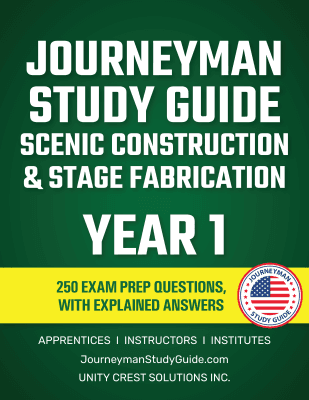
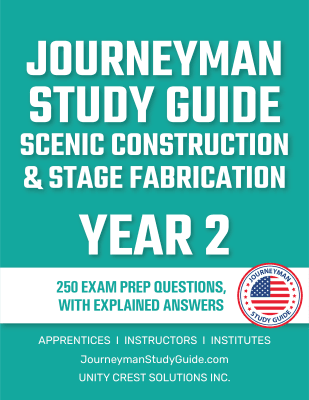
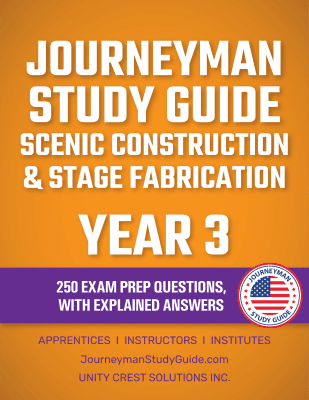
Quick and easy practice to test your knowledge anytime, anywhere—ideal for simple, on-the-go preparation.